ギブソン・ビドルのリーダーシップスタイル:DHMモデル、Netflixプロダクトストラテジー、およびコンシューマープロダクト思考が実際にどのように見えるか
Turn this article into takeaways for your work.


Each assistant summarizes the article only for you and suggests best practices for your work.
主要事実: ギブソン・ビドルは2005年から2010年までNetflixの製品副社長として機能し、企業のDVD郵送からストリーミングへの変換を通じて製品組織をリード。彼は後にChegg(2011-2014)のCPOとして機能し、コンシューマーサブスクリプションモデルを教育に拡張。ビドルはStanford Graduate School of Businessで製品管理を講義し、「DHMモデル」(Delight customers in Hard-to-copy, Margin-enhancing ways)をコイン化し、50以上のテック企業に製品ストラテジーについてアドバイスしました。
DHMモデル(Delight-Hard-Margin戦略)
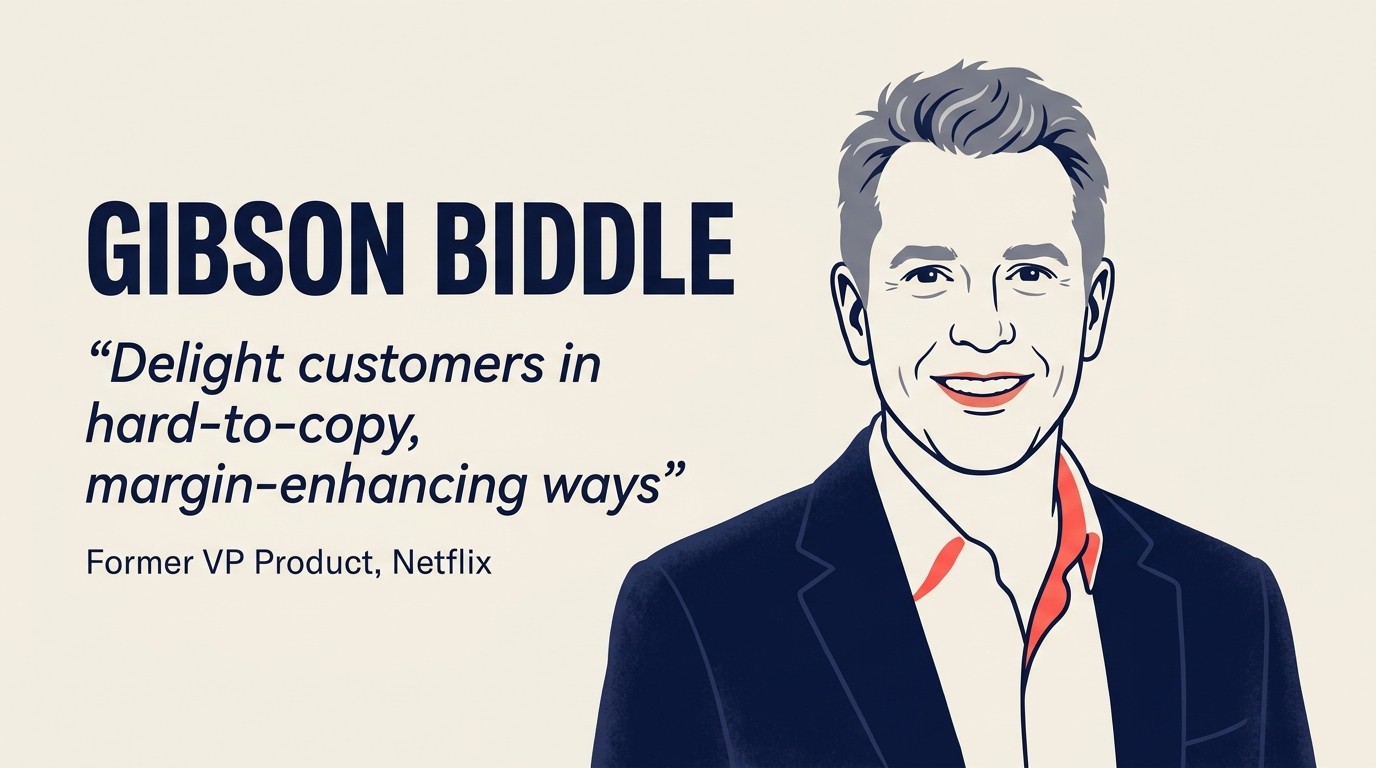
DHMモデルはギブソン・ビドルのプロダクトストラテジーフレームワーク:製品の賭けが顧客を喜ばせ、それは競合者がコピーするのが難しい方法で行い、それがスケーリングするに際して、ビジネスのマージンプロフィールを改善するかテストします。3つの条件は、決定が単なるプロダクトフィーチャーではなく、プロダクトストラテジーして適切であるために、同時に真実である必要があります。それはジェネレーターではなく、フィルターとして機能します — それはあなたが何を構築するかを言わないでしょうが、あなたが計画している構築することが戦略的に防御可能かどうかを言うだろう。
ギブソン・ビドルは2005年にNetflixにVP of Productとして参加した時、それは依然としてDVDを郵送しました。彼は2010年に左、その時点で、NetflixはすでにストリーミングTransitionを実行していた20万人ページャーと下降。彼は、彼が製品リーダーシップ プロフィール記録することは、戦略的および文化的決定を文書化するReed Hastings に報告しました。彼は5年間の中に構築したことは、単なるプロダクトストラテジーではなく — 彼は過去10年間のティーチングフレームワークのための彼の立場が多かった。
DHMモデル — Delight customers in Hard-to-copy, Margin-enhancing ways, sounds like a three-word slogan until you try to apply it.ほとんどの企業は、顧客を喜ばせる内容を特定できます。競合者をコピーするが難しい理由の説明できるのは非常に少数です。そして、margin との結合力少ないさらに。あなたのプロダクトチームがNPS スコアとエンジニアリング容量に基づいてロードマップの決定を作成する場合、ビドルのモデルは、あなたがおそらく持っていない会話に対する便利な強制関数です。
彼のキャリアは、Netflixの前後について。Marty Caganは、同様な質問を処理する権限を与えられたプロダクトチームフレームワークを開発 — strategic product leadership from feature delivery は何が分離 — そして2つの思考家はしばしば一緒にPM development programsで読まれます。Teresa Torresがその発見側面を拡張し、彼女の継続的な発見習慣モデルはビドルのDHMフレームワークの自然なコンパニオンはストラテジーフィルターと顧客研究の周期を両方必要なチームのため。Julie Zhuo、彼は自身の製品とdesign leadership インタラックするのが、Facebookにアップスケールの並行高成長コンシューマーサブスクリプション期間の間に設計をリード。彼はAppleとMattelで働きました。彼はCheggから2011年から2014年のCPOで、教育にコンシューマーサブスクリプションモデルを拡張しました。彼はStanford Graduate School of Business で製品管理を教えており、Medium のとPM communityで能動的なライティングプレゼンス。その post-operator ティーチングパスは、ほとんどの実践者が企業内にするより広い露出もたらします。しかし、単一オーガニゼーション、によって圧倒されるのではなく、diverse audiences に対してストレステストされたことはフレームワークがメディア。
リーダーシップスタイルの分析
| スタイル | ウェイト | どのように現れたか |
|---|---|---|
| ストラテジックフレームワークビルダー | 60% | ビドルの主な寄与は、コンシューマープロダクト経験を教えることができるモデルに翻訳しています。DHMフレームワークは単なるヒューリスティックではありません — それは、製品決定が戦略的に音声かどうか、単なる技術的可能または user-requested、テストされた構造のテストです。彼の価値は、5年のNetflixを取り、それを製品チームが同じコンテキストを住まう必要がないボキャブラリーに変えることができるの能力から来ます。ほとんどのシニアプロダクト演算子は、彼らが知られるものを正式化するために煩わしいです。ビドルはしました。 |
| コンシューマーインサイトオペレーター | 40% | フレームワークの構築は、セオリーではなく実際の運用上の決定に接地されています。Netflixで、ビドルは personalization と推奨エンジンを実行し、企業の最も重要な成長期間中。彼はmade specific bets about what the 70% retention metric meant and how it should drive product decisions.彼のコンシューマーインサイトは学術的ではなく — それはNetflixが何をサブスクリプションが望んでいるかを理解するから、その後ストリーミングサービス。本当の流失と収益の結果の各製品呼び出しで。 |
その分割はビドルのアプローチの強さとlimitation両方説明します。フレームワークの明確性は運用的な接地から来ます。しかし、フレームワークは特定のコンテキストによって形成されました。高周波数、大きなデータセット、異なるマージンeconomicsでコンシューマーサブスクリプションは、エンタープライズソフトウェア、ハードウェア、またはマーケットプレイスビジネスからのものをのような見えます。
主要なリーダーシップ特性
| 特性 | 評価 | 実践におけるその意味 |
|---|---|---|
| 曖昧性の下でのフレームワーク明確性 | 卓越 | DHMはほとんどのプロダクトチームが避ける質問をするためです。「このフィーチャーは顧客を喜ばせるか」ではなく「このフィーチャーは顧客を喜ばせるか *そしてその喜びは構造的に複製することは難しいか *そしてスケールで配信することは経済を改善するか?」ほとんどのロードマップ会話は最初の質問で停止します。2つの追加の制約は、プロダクト決定からプロダクトストラテジーを分離するもの。ビドルの値は、不完全な答えを十分として受け入れるのではなく、完全な質問を強制することの中にあります。 |
| エグゼクティブレベルのコンシューマーシンパシー | 非常に高い | スケール時の最も一般的なプロダクト失敗はシニアリーダーがユーザーが実際にプロダクトをどのように経験するかについてダイレクト接触を失うことです。ビドルはNetflixの任期全体でコンシューマーインサイトを保ったおり、彼の投稿企業のライティングは一貫性して、一般的な原則ではなく特定のユーザー動作観察に返ります。彼は彼は主導した個人化の仕事は、どのような見ることを見つけるかについての特定のコンシューマーインサイトによって駆動されました。見当たらないストレスの摩擦選んでいたかった見もの。その観察はアクチュアルユーザー動作への近接性を必要としました。サーベイデータではなく。 |
| 独自の思考を共有する意思 | 高い | ビドルはNetflixの経験と、彼のほとんどの前のプロダクトリーダーはしないDHMモデルについて広く発表しました。彼の理由、彼は直接表現しています、フレームワークを共有して開くことが、フレームワークをそれを専有コンサルティングを通じてモネタイズしようとするより多くの影響とより有用なフィードバックを作成するということです。PM コミュニティはpushed back on, extended, and refined DHM ways that have made it stronger than if he'd tried to keep it proprietary.それはフレームワークをしてどのように影響力を広げるかについて、存在しないアイデアモデルについて企業役割を離れた後、作成する意図的な選択です。 |
| 複雑なプロダクトコンセプトの教育的な規律 | 非常に高い | ビドルはStanford教えられた製品管理。スケール時のプロダクトを船舶していない学生向け実践者知識に翻訳すること必要とします。その翻訳規律は彼がプロダクトストラテジーについて書き方で示します — 具体的な例、特定の数字、フレームワークの各部分のための明示的なテスト。彼の Medium ライティング一貫します。Netflix-era consumerプロダクト思考の実践者のクリアexplanation which was inside it.
ギブソン・ビドルを定義した3つの決定
Netflixに参加と2005年:推奨エンジンに優先順位付け
ビドルはNetflixに参加したとき、企業の中核問題はなかったコンテンツライブラリ。それは選択肢のフリクションでした。Netflixは80,000以上のDVDタイトルを持ったし、購読者は20分以上閲覧し、多くの場合、あるもの選択なしで放棄しました。そのフリクションが、キャンセルを駆動し、Netflixが購読価格を正当化する必要がある engagement metric を抑制しました。
ビドルのチームは推奨エンジン、Netflix called Cinematch に優先順位付けします。賭けはパーソナライズされた推奨が構読者が素早くを見たいものを見つけるの確率を増やすということでした。これはより高いエンゲージメント駆動します。これはより低い流失駆動します。70%保有metrics proxy は、製品決定が動作したかになった。
その賭けは右でしたし、時間では明らか時には戦略的に想像も困難でした。Netflixはフィーチャーを構築していませんでしたがフリクションを減らしました。それは、レートで視聴データを蓄積していました。メディア業界における最も価値のある専有データセットの1つに化合物。すべての加入者の相互作用、彼らが見たもの、彼らはどのくらい遠く彼らは彼ら試みが見つけ、何を閲覧していない、推奨モデルを訓練しました。モデルはスケールが改善されます。スケールとの高い推奨が来ます。より高い推奨でそれはより多くのエンゲージメント来ます。より多くのエンゲージメント、、それはより多くのデータが来ます。
この化合の動的、あとで呼ぶもの「Ghost strategy」であり、Netflix の推奨が単なるコピーフィーチャーで複製することができない理由です。競合者は同等のシステムを構築した時点で、Netflixはすべての新規参入者が欠けていた彼らが見たいくつかの年のが蓄積され。アルゴリズムは見えるフィーチャーです。データはお堀です。
DHMモデルティーチングフレームワークとして構築
DHMモデル、Delight customers in Hard-to-copy, Margin-enhancing ways、Netflixの最高のプロダクト決定は平均的の構造的に異なったの理由を表現する時の彼の試みから出現しました。モデルは3つのコンポーネントを持ち、すべて3つは同時に、決定は単なるプロダクトフィーチャーではなくプロダクトストラテジーではなく、存在する必要があります。
Delightはカスタマー利点:フィーチャーが本物のユーティリティまたは感情的なstisfaction生成します。これは閾値テストです。ユーザーがそれを値しない場合、他の2つの変数は重要ません。
Hard-to-copyは競争的お堀:何はこの実装を受けることは本当に難しい複製競合するのか?答えはデータ蓄積、ネットワーク効果、組織的な文化、技術的な深さ、またはいくつかの組み合わせです。しかし、それはリアル回答、一般的な主張「私たちのチームが良い」である必要があります。
Margin-enhancingは経済学:このフィーチャー配信のスケールではビジネスマージンプロフィールを改善または維持するか?ユーザーを喜ばせるがマージン悪化させるフィーチャーはプロダクトストラテジーではありません。それらは補助です。
モデルはジェネレーターではなくフィルターとして有用です。それはあなたが構築するのを言わないでしょう。しかし、あなたが計画すること、それはあなたあなたが戦略的に防御または単なる機能的に可能かどうかを言うだろう。ほとんどのロードマップの決定はユーザー研究とエンジニアリング容量によって正当化されたを感じるやつはしてはいけないフルDHMテスト生き残ります。それはリソースをコミットする前に価値のある情報です。
Stanfordで教育とパブリックフレームワーク ライブラリ構築
Stanfordで教えられ、フレームワークを開いて発表するビドルの決定を彼のNetflix経験をコンサルティング実践に変換代わりに、あなたが影響を持つ方法についての意図的な選択を検査する価値があります。
ほとんどの上級プロダクトリーダーは大きな企業を去る1つの2つのパスを取ります:別のエグゼクティブ役割、またはプライベートコンサルティング。ビドルは3番目のパスを取った:開いた出版およびティーチング。彼の理由。彼がそれを表現したように、フレームワークをストレステストし改善する最高の方法は、ワイドが可能オーディエンスにそれを露出させることおよび実践者が戻し、それに押さいます。PM コミュニティはまさにそれをしました。DHMが。ブログポストと数千の議論に私有なコンサルティング実務生産することがない方法でcriqued、拡張、精緻化された。
Stanfordの教育は異なるストレステスト追加。ビジネス学校の学生は適用することはできないフレームワークに関心を持ちません。製品でスケール時発送していない学生にDHMを教えることはビドルが彼のフレームワークの応用を更に具体的にしておよびほとんどの実践者フレームワークより明示的に制限されるため、強制。彼の発表の品質はその教育的な規律を反映します。
トレードオフは収益についてです。ビドルの信頼のあるプライベート顧問は個別な企業文脈の中でDHMを適用するための重大なレートを請求できました。オープンに発表することで、彼はフレームワークを与えました。しかし、フレームワークには、今はより多くの到達およびプライベートコンサルティング実務が生成してしたであろうより多くの厳密な検証があります。それはコンセンサスが影響力で入り、あなただったを考えている場合、理解する価値があるモデル現在の役割の外の専門知識を有用にしたい。
ギブソン・ビドルがあなたのロールで何をするだろう
あなたがCEOなら、ビドルのDHMモデルはあなたのフィーチャーについてではなく、あなたの現在のプロダクトストラテジーのテストとして最も有用です。このシーズンの上位3つのプロダクト賭けはテストしてください。3つすべての変数のすべての:各は本当に喜ばす顧客(なく彼らを満足させる)、喜びが構造的に複製することは難しいですか、スケール時配信で経済を改善するか?各あなたが特定で回答できない場合、あなたはプロダクトストラテジーを持ちません。あなたはあなたのベストの競合者が6か月で複製できるロードマップをしました。
あなたがCOOなら、ビドルのNetflixの仕事からの運用的インサイトはプロキシ計量規律についてです。70%保有計量は、サーベイから来ませんでした。それは、サブスクリプション行動駆動し、あなたが計量の組織をホールドして基づいて、それが別の指標を競争しているその他の指標を見えたが有する、オーガニゼーションの説明を試みるから理論。オペレーション場合、あなたのチームが活動を測定する(フィーチャーを出荷し速度、DAU)ではなくアウトカム計量のためにはアクチュアルmeasuring長期価値proxying、あなたは実行のための間違いパフォーマンスシステムをサーブしました。
あなたがプロダクト リーダーなら、最も直接的に適用可能なビドル・ツール「hard-to-copy」テストです。任意のメジャー ロードマップ賭けをしてから返信することとアンサー质问:競争相手に良いfunded エンジニアリングをこのフィーチャーをコピーしたいと判断す場合は、どのくらいの時間そこがかかり、私たちは持っていたことは誰もありません?正直な答えが「6~12ヶ月、そして何も構造的」場合、あなたはしました。最高で一時的な価値を供給するものを組み込んだ。「hard-to-copy」変数はデータアキュムレーション、ネットワーク効果、技術的なdeepness、すべての構築にコミット前に考えるようになります。
あなたがセールスまたはマーケティングなら、ビドルのGhost strategyは競争的なポジショニングのための重要な含意を持ちます。あなたが見え、競合者にコピーすることができるフィーチャーはあなたの本当のお堀はありません。あなたの本当のお堀は見えない:あなた蓄積したデータ、あなたが建設した顧客関係、あなたのチームに埋め込まれた制度的な知識。マーケティングがフィーチャー比較でリード場合、あなたは見える表面で競争して別の目に見えないフィーチャーを知っているいるのに対して、競合者。あなたは競合者が複製することはできないことをコミュニケート方法について考えてください。それらはすでに知られているフィーチャーではなく。
モダンSaaSコンテキストの中でDHMを適用 Rework
モダンB2B SaaSにDHMを適用すると、ビドルのコンシューマーサブスクリプション論理をチーム オプス 環境に翻訳することを意味し、お堀は視聴データからワークフロー統合に来ます。「Delight」テストが成る:このフィーチャーは本当に実行cross-functional チームのfrictionを低減し、または単なるbuyer チェックリストを満たすか。「Hard-to-copy」テストが成る:競合者は、彼ら成る必要がある長年複製するために持つyears年のワークフロー データ、統合深度、または機関の習慣。「Margin-enhancing」テストが成る:フィーチャースケールを線形headcount growth ないで顧客サクセスまたはサポート。
Reworkはプロダクトリーダーが具体的な環境にそれらのテストを実行する与えます。あなたは、販売パイプライン、リード管理、およびクロス機能プロジェクトワークフロー全体のDHMベットをプロトタイプできます。単一のプラットフォーム、メジャーどの動作は実際に付着し、かつデータお堀が実践で表示するかどうか。それはNetflixの推奨フィードバック流 — あなたのプロダクト賭けは本当にhard-to-copy、margin-enhancing、または彼ら、ないかすべてを証明して、生きているシステムを実行することが運用等価です。
注目すべき引用と教室の外の教訓
ビドルは様々なティーチングコンテキストで言われています:「プロダクト マネージャーの仕事は、利害関係者が望むプロダクトを構築することではありません。それは顧客を喜ばすことを理解し、喜びのまわりでストラテジーを構築することです。」これはDHMの最初の変数が十分ではない理由のクリーン表現です。経済のない喜びは慈善で、防御可能でない喜びはフィーチャーは競合者が来年に出荷できるです。
彼の「Ghost戦略」のコンセプトは、一般に受け取るより多くの注意を受けるべきです。議論は、競合者が見える機能をコピーすることはできますが、それらのフィーチャーが機能する基本的なデータ、顧客関係、および制度的知識をコピーすることはできません。Netflixの推奨エンジンはコピーできたアルゴリズムは公開で議論されました。研究が発表されました。何はコピーことはできなかったのは、10年以上のNetflixが蓄積していた視聴行動データでした。Ghostは見える競合者をコピーする機能です。Harvard Business Review published related thinking on how data moats compound over time, reinforcing why Biddle's Ghost strategy remains relevant in AI-era product thinking.
彼は、また、彼が教えるフレームワークのlimitation についての正直でした。Netflixを離れた後、彼は正直に、DHMは高いエンゲージメント周波数でコンシューマーサブスクリプションプロダクトで簡単に適用できると書きました。B2B ソフトウェア、エンタープライズセールス、とハードウェアプロダクトはマージン構造が異なり、競争的なダイナミクス「hard to copy」は通常プロダクトフィーチャーではなくセールスプロセスと契約を意味します。フレームワークはまたあなたが本当に喜びを特定するには十分な利用データを持ちます。早期段階プロダクトおよび新しいマーケットカテゴリはしばしば喜ばせるシグナルを欠け、DHMがある便利な目的を化make前に診断ツール有意な規模を示すまで悪いが作成します。そして、ビドルのオペレーションの経験はモバイル前、プレLLM、コンシューマー最初に相対的な現在のプロダクト環境のために現在世代古いです。そこに原則はdansferrable、しかし、モダンB2B SaaS、マーケットプレイス、またはAI-nativeプロダクトのための特定の適用は大幅な翻訳を必要とします。
ギブソン・ビドルのプロダクトストラテジーについてのよくある質問
ギブソン・ビドルは誰ですか?
ギブソン・ビドルは、2005年から2010年にNetflixのVP of Productとして機能したことで最もよく知られているプロダクトリーダー。彼の下で企業は、DVD郵送からストリーミングへのシフト全体を導きました。彼は後に2011年から2014年にCheggのCPOとして機能し、現在プロダクト管理の上にStanford Graduate School of Businessで講義し、テック企業にプロダクトストラテジーについてアドバイスします。
DHMモデルとは何ですか?
DHMモデルはビドルのプロダクトストラテジーフレームワーク:Delight customers in Hard-to-copy, Margin-enhancing ways。3つのすべての条件の機能を同時に存在する必要はありますプロダクト決定はストラテジーではなく単なるフィーチャーとして修飾するため。Delightはカスタマー利点テストであり、Hard-to-copyは競争的お堀テストであり、Margin-enhancingは経済学テストです。
Netflixのストリーミング・ピボットへのビドルの寄与は何でしたか?
ビドルはNetflixのプロダクトオーガニゼーションを2005-2010年は、企業が成長した中に、2000万人の加入者、転移を実行ストリーミング。彼のチームはCinematches推奨エンジンを、何を見ることを選ぶ摩擦を低減することの主要なレバーであるようにそれを優先順位付けし。これは、より高いエンゲージメント駆動し、より低いfluxは、所有権の視聴動作データセットを蓄積するNetflixの長期お堀なったこのチ。
ビドルはStanfordで何を教えますか?
ビドルはStanford Graduate School of Businessでプロダクト管理の上で講義し、彼のNetflix運用経験をカリキュラムに翻訳しています。DHMフレームワーク、コンシューマープロダクトストラテジー、Netflixの70%保有信号のようなプロキシ計量の使用に基づいている。ティーチングは、彼がスケール時製品を出荷していない学生にDHMのアプリケーションをより具体的におよび彼のlimitationsより明示的にするために強制しました。
プロダクトチームはDHMフレームワークを適用する方法は何ですか?
ジェネレーター、フィルターではなく、として使用DHM。各メジャーロードマップ賭けをテストし、3つのすべてのすべての変数:十分に喜ばすしますそれは、本当に顧客は、その喜びが6~12か月でコピーするための構造的困難であるか、かつスケール時配信でマージンプロフィールを改善するか?オール3つに具体的に答えることできない場合、あなたが持つ機能、ストラテジーではありません。
プロダクトリーダーがギブソン・ビドルから学ぶことはできますか?
3つのもの。最初に、フレームワークは直感を確認ているとき、あなたがチームをストラテジーの修飾に揃えるために必要。2番目に、プロキシ計量ですが、アクティビティ計量のような70%保有数が、リアルなプロダクト進捗の測定。3番目に、「Ghost戦略」 — 可視フィーチャーの競合者をコピーすることはできませんが見えないデータと制度知識 — が可視フィーチャーより重要。ビドルも公開してたフレームワークに対して、プライベートなコンサルティングのモデルのための専門知識を有用にする方法についてモデルします。
関連読書の場合は、Marty Cagan Leadership Style、Teresa Torres Leadership Style、Shreyas Doshi Leadership Style、Steve Jobs Leadership Style、およびMarc Benioff Leadership Styleを参照してください。