More in
Sales-Tech-Nachrichten
AI-Vertriebsteams wachsen 2,6-mal schneller. Gartner sagt: Käufer wollen trotzdem einen Ansprechpartner
Juni 6, 2026
Aircall kauft Piper AI, um jeden Verkaufsanruf in Pipeline zu verwandeln
Juni 6, 2026
Salesforce gibt Marketingteams AI-Agents, die Sales Pipeline aufbauen
Juni 6, 2026
Revenue Intelligence hat das Risiko gezeigt. Revenue Execution handelt danach.
Juni 5, 2026
Meta hat einen AI-Agent in WhatsApp integriert, der für jedes Unternehmen Verkäufe abschließt
Juni 4, 2026
VCs haben über 200 Mio. Dollar in AI-Sales-Startups investiert: Das GTM-Stack-Signal
Juni 4, 2026
Sind AI SDRs in 2026 ihr Geld wert? Die Daten sprechen für ein hybrides Team
Juni 3, 2026
GTM Engineering in 2026: Die Vertriebsstelle, die drei Rollen ersetzt
Juni 3, 2026
ZoomInfo versorgt Ihre AI-Sales-Agents mit verifizierten Daten: Der Kompromiss beim Single-Vendor-Ansatz
Juni 3, 2026
Salesforce Summer '26 bringt Multi-Agent-Orchestration am 15. Juni. Das Sales-Ops-Audit, bevor Ihre Agents anfangen, Aufgaben weiterzureichen
Juni 2, 2026
Salesforce kauft Contentful, um Agentforce eine Content-Engine zu geben
Turn this article into takeaways for your work.


Each assistant summarizes the article only for you and suggests best practices for your work.
Salesforce erwirbt die Infrastruktur, die zwischen Kundendaten und den Inhalten steht, die Ihre Käufer tatsächlich sehen. Und wenn Sie als CRO einen Salesforce-Vertrag vor der Verlängerung haben, verändert dieses Geschäft die Verhandlungsgrundlage grundlegend.
Am 1. Juni 2026 unterzeichnete Salesforce eine endgültige Vereinbarung zur Übernahme der Contentful GmbH, einer composable, headless Content-Plattform, die von mehr als 4.800 Marken genutzt wird, um personalisierte digitale Erlebnisse bereitzustellen. Laut Salesforce soll der Deal Agentforce eine native, unternehmenstaugliche Content-Schicht geben, die Kundendaten mit Content-Erlebnissen in allen Salesforce-Anwendungen verbindet. Das Unternehmen bezeichnet dies als "Headless 360", eine Erweiterung der bestehenden Customer 360-Vision. Die Transaktion soll vorbehaltlich der behördlichen Genehmigung im dritten Quartal des Salesforce-Geschäftsjahres 2027 abgeschlossen werden.
Die strategische Logik ist eindeutig. Agentforce-Agenten können bereits Leads routen, Gespräche zusammenfassen und Workflows auslösen. Was sie nativ nicht konnten, war das Zusammenstellen und Veröffentlichen dynamischer Inhalte: die Webseite, die sich je nach Account-Tier des Besuchers ändert, der E-Mail-Text, der auf die Phase eines Käufers zugeschnitten ist, die Produktseite, die in drei Sprachen für drei Regionen unterschiedlich dargestellt wird. Die Architektur von Contentful ist genau dafür ausgelegt. MarTech brachte es auf den Punkt: "Agentforce brauchte eine Content-Schicht, also kauft Salesforce Contentful." CMSWire beschrieb es ähnlich und bezeichnete die Übernahme als Schritt in Richtung "Dynamic Content Orchestration", bei der Agenten auf Basis von Kontext, Kanal, Sprache und Geschäftsregeln 1:1-Erlebnisse zusammenstellen.
Das Konsolidierungsmuster beschleunigt sich
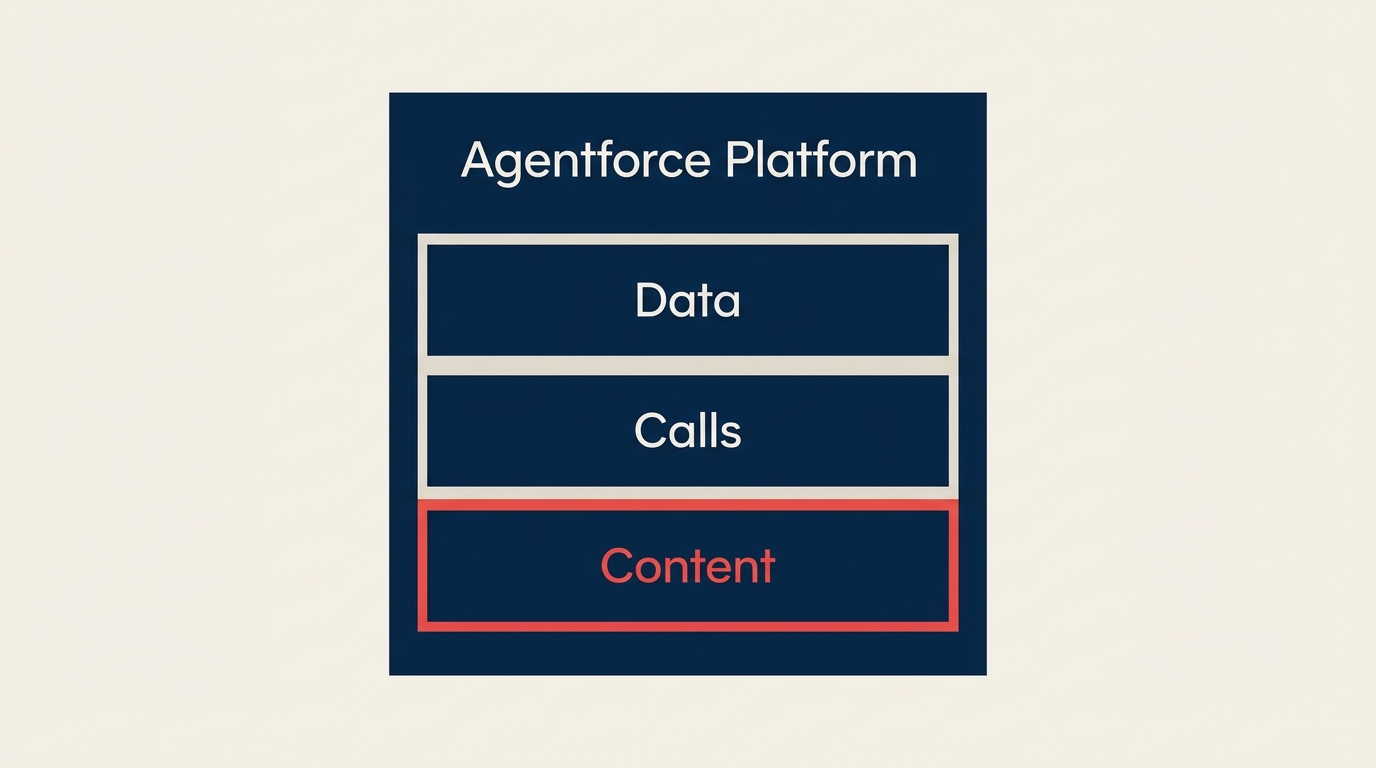
Dies ist kein Einzelfall. Es ist die dritte wesentliche Funktionsebene, die Salesforce in kurzer Folge in Agentforce integriert hat. Zu Beginn des Jahres übernahm Salesforce Momentum, um Gesprächsdaten aus Zoom und Google Meet direkt in Agentforce einzuspeisen und den Agenten so einen Echtzeit-Einblick in laufende Interessentengespräche zu ermöglichen. Jetzt kommt die Content-Komponente hinzu. Die Plattform wird Schicht für Schicht aufgebaut, und jede Übernahme macht den Fall für eine Konsolidierung etwas überzeugender und den Wechsel etwas kostspieliger.
Key Facts
- Contentful bedient über 4.800 Marken bei der personalisierten digitalen Content-Bereitstellung in großem Maßstab. (Quelle: Salesforce)
- Agentforce hat in etwa 14 Monaten einen ARR von rund 1,2 Milliarden US-Dollar erreicht, wobei rund 18.500 Kunden mehr als 3 Milliarden monatliche Workflows ausführen. (Quelle: Salesforce)
- Die Salesforce-Contentful-Übernahme soll vorbehaltlich der behördlichen Genehmigung im dritten Quartal des Salesforce-Geschäftsjahres 2027 abgeschlossen werden. (Quelle: Salesforce)
Der kumulative Effekt ist für CROs von Bedeutung. Jede integrierte Ebene schafft ein engeres Bündel: Datensignale, Gesprächsintelligenz, Content-Bereitstellung und agentenbasierte Ausführung in einem einzigen Vertrag. Dieses Bündel ist tatsächlich nützlich. Es ist aber auch tatsächlich schwieriger, es wieder zu verlassen. Vor dem Abschluss des Deals zu verstehen, auf welcher Seite dieser Abwägung Sie stehen, ist die Aufgabe, die Sie jetzt angehen sollten.
Was "Dynamic Content Orchestration" für Revenue Teams bedeutet
Der Begriff, den Salesforce verwendet, lautet "Dynamic Content Orchestration". Ohne das Marketingvokabular bedeutet das in der Praxis: Ein Agentforce-Agent, der firmografische Daten, Kaufabsichtssignale, den CRM-Status und die Sprachpräferenz eines Interessenten auswertet, kann den richtigen Content-Block auswählen, zusammenstellen und bereitstellen, ohne dass ein Mensch eine Vorlage anfassen muss. Man kann sich das vorstellen wie KI-gestützte personalisierte Ansprache in großem Maßstab, aber über E-Mails hinaus auf Webseiten, Portale und Produkterlebnisse ausgedehnt.
Für Revenue Teams sind die Anwendungsfälle real. Sales-Enablement-Assets, die in separaten Systemen gespeichert sind (Highspot, Seismic, Showpad, SharePoint), könnten theoretisch in einem einzigen Content-Graphen zusammengefasst werden, den Agentforce direkt ausliest. Ein AE, der sich auf ein Discovery-Gespräch vorbereitet, könnte einen Agenten nutzen, der die relevanten Case Studies, Wettbewerbspositionierungen und ROI-Benchmarks aus Contentful abruft und direkt in Salesforce anzeigt, anstatt zwischen fünf anderen Tabs zu wechseln.
Aber "theoretisch" trägt in diesem Satz viel Last. Contentful wird nach dem Abschluss weiterhin mit seiner bestehenden Plattform, APIs und seinem Support-Modell betrieben. Die tiefgreifende Integration mit Agentforce ist ein Punkt auf der Produkt-Roadmap, keine Funktion zum Launch-Zeitpunkt. Die Frage für CROs ist nicht, wie der integrierte Zustand im Jahr 2028 aussieht. Es geht darum, was Sie zwischen jetzt und dem Abschluss 2027 tun, um sich unabhängig davon, wie die Integration tatsächlich verläuft, gut zu positionieren.
Die Lock-in-Frage, die CROs ehrlich stellen müssen
Eine tiefere Salesforce-Konsolidierung hat einen echten Vorteil: weniger Anbieter, weniger Verträge, ein Datenmodell, eine Supportbeziehung und Agenten, die tatsächlich über die gesamte Revenue-Oberfläche hinweg agieren können, statt an der CRM-Grenze zu stoppen. Wenn Ihr Team bereits stark auf Salesforce für das CRM-Geschäft setzt, ist das Hinzufügen von Agentforce als Orchestrierungsebene und Contentful als Content-Schicht eine kohärente Architektur und kein bloßer Versuch des Anbieters, Terrain zu gewinnen.
Aber Konsolidierung verstärkt die Abhängigkeit auf eine Weise, die es wert ist, beim Namen zu nennen. Wenn Ihr Sales-Tech-Stack drei Salesforce-Produkte statt eines enthält, sinkt Ihr Verhandlungsspielraum bei der Verlängerung proportional. Das Preisrisiko ist real: Salesforce hat gezeigt, dass es bereit ist, bei hinzugefügten Funktionen die Preise anzupassen, und ein vollständig integriertes Agentforce-plus-Contentful-Bündel gibt ihnen eine viel größere Fläche zur Monetarisierung. Die Buy-vs.-Build-Entscheidung für KI-gestützte Sales Ops verschiebt sich: Was wie eine "Build"-Option aussah (das Zusammenstellen von Best-of-Breed-Tools), wird operativ schwieriger zu rechtfertigen, wenn die integrierte Alternative mehr mit weniger Reibung leistet.
Es gibt auch die Governance-Frage. Agentenassemblierter Content erfordert Freigabe-Workflows, die die meisten Revenue Teams noch nicht definiert haben. Wer genehmigt den E-Mail-Text, den ein Agent aus einer Contentful-Vorlage erstellt hat? Wer ist für den Markenprüfungsprozess verantwortlich, wenn eine Webseite dynamisch in großem Maßstab personalisiert wird? Governance- und Audit-Trail-Frameworks für KI-gestützte Sales Ops werden unverzichtbar, wenn die Content-Schicht automatisiert ist. Diese Richtlinien vor dem Einzug von Contentful in Agentforce festzulegen, ist wesentlich einfacher, als sie im Nachhinein anzupassen.
Was Sie vor Ihrer Verlängerung 2027 tun sollten
Der Deal wird irgendwann im Kalenderjahr 2026 abgeschlossen (Salesforces Q3 FY2027). Das gibt den meisten CROs zwei bis vier Verlängerungszyklen, bevor das integrierte Produkt vollständig kommerziell verfügbar ist. Hier sind drei konkrete Maßnahmen, die jetzt Priorität haben sollten.
1. Prüfen Sie, wo Ihr Content tatsächlich liegt. Erfassen Sie jeden Asset-Typ, der den Revenue-Prozess berührt: Sales-Decks, Case Studies, E-Mail-Vorlagen, Battlecards, Produktseiten, Onboarding-Dokumente. Notieren Sie für jeden, welches System ihn verwaltet und ob es eine API hat. Dabei geht es nicht darum, heute etwas zu wechseln. Es geht darum, Ihr tatsächliches Risiko zu kennen, falls Salesforce die Contentful-Integration als Add-on bepreist oder ein Tool verdrängt, für das Sie bereits bezahlen.
2. Definieren Sie Ihre KI-Content-Governance-Richtlinie, bevor Sie sie brauchen. Die schwierigsten Governance-Gespräche finden unter Druck statt. Entwerfen Sie jetzt eine kurze Richtlinie: Welche Content-Kategorien können Agenten autonom zusammenstellen, welche erfordern eine menschliche Überprüfung vor dem Versand, und wer ist für die Markengenauigkeit und die rechtliche Freigabe dynamisch zusammengestellter Seiten verantwortlich. Dies mit Ihren Rechts- und Marketingteams abzustimmen, während der Deal noch aussteht, ist weitaus weniger aufwendig als danach.
3. Dokumentieren Sie Ihre Verhandlungsposition vor der Verlängerung. Wenn Salesforce mit einem gebündelten Agentforce-plus-Contentful-SKU auf Sie zukommt, ist Ihr Verhandlungsspielraum am größten, bevor Sie sich auf das Bündel festgelegt haben. Kennen Sie Ihre aktuellen Vertragsbedingungen, Ihren jährlichen Vertragswert über alle Salesforce-Produkte hinweg und die realistischen Kosten Ihrer besten Alternative. Das ist kein Grund, Salesforce zu verlassen. Es ist ein Grund, aus einer Position der Information heraus zu verhandeln, nicht aus Trägheit.
FAQ
Wird Contentful nach der Übernahme weiterhin als eigenständige Plattform funktionieren? Ja. Salesforce hat erklärt, dass Contentful nach dem Abschluss weiterhin mit derselben Plattform, denselben APIs und demselben Support-Modell betrieben wird. Bestehende Contentful-Kunden sollten keine unmittelbaren Änderungen an ihrem Produkt oder ihren Verträgen feststellen. Eine längerfristige Integration in Agentforce wird voraussichtlich schrittweise auf der Roadmap erfolgen.
Wann wird die Salesforce-Contentful-Übernahme abgeschlossen? Der Deal soll vorbehaltlich der üblichen behördlichen Genehmigung im dritten Quartal des Salesforce-Geschäftsjahres 2027 abgeschlossen werden. Das entspricht ungefähr dem späten Kalenderjahr 2026.
Sollte ich das bei meiner nächsten Verlängerung berücksichtigen? Es lohnt sich, dies einzukalkulieren. Je mehr Funktionen Salesforce in Agentforce integriert (Gesprächsdaten, Content und was als nächstes kommt), desto größer wird das Bündel und desto höher die Wechselkosten. CROs, die das vollständige kommerzielle Bild vor der Verlängerung kennen, werden bessere Konditionen aushandeln als jene, die es nicht tun.
Weiterführende Artikel
- Salesforce Agentforce Hits $1.2B ARR: The CRO Audit
- Salesforce Summer '26 Multi-Agent Orchestration: Sales Ops Audit
- Gong at $500M ARR: What the Revenue Platform Bet Means for Sales Ops
Quelle: Salesforce signs definitive agreement to acquire Contentful (Salesforce, 1. Juni 2026)