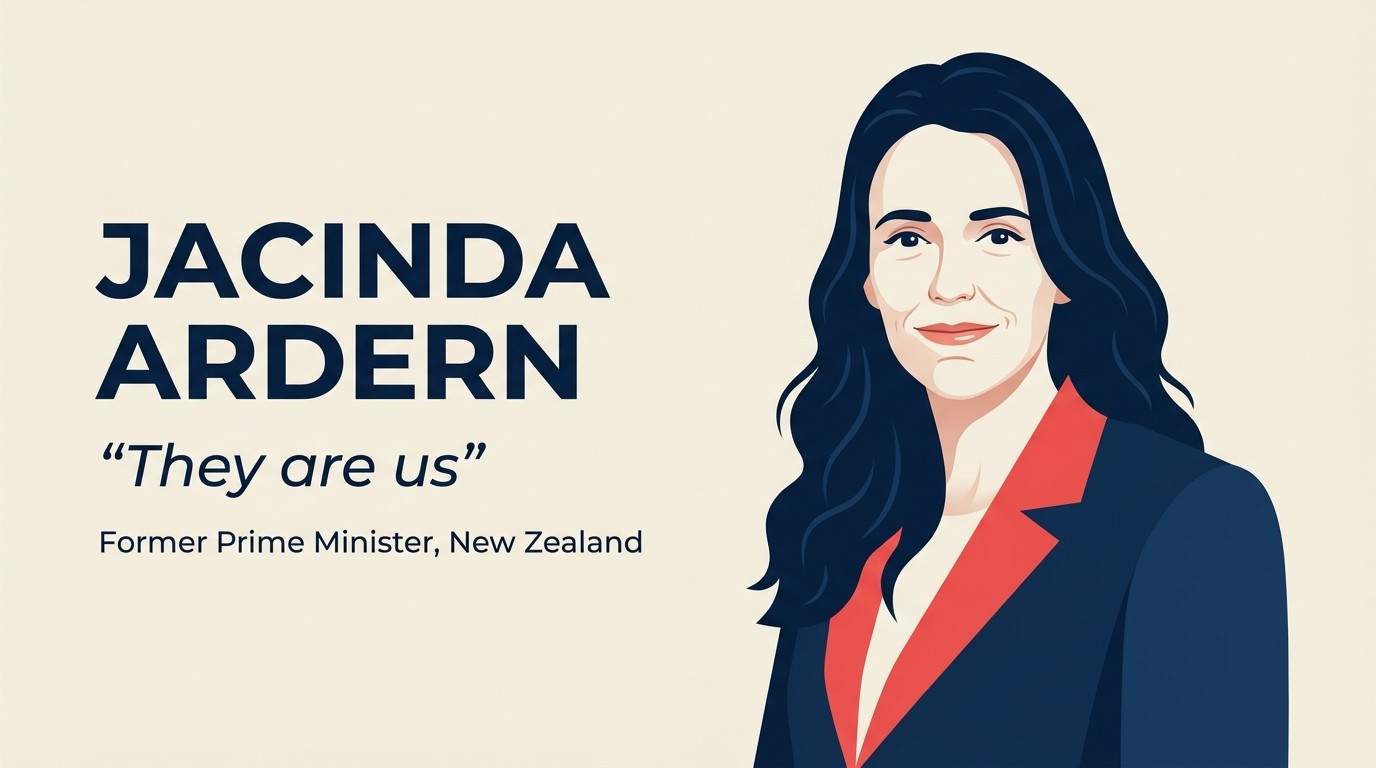
Estilo de Liderança de Jacinda Ardern: Governança Empática e O que 'Gentileza' Realmente Custa
Turn this article into takeaways for your work.


Each assistant summarizes the article only for you and suggests best practices for your work.
Fatos-Chave em Perspectiva
- Nascida: 26 de julho de 1980 (Hamilton, Nova Zelândia)
- Primeira-ministra: outubro de 2017 – janeiro de 2023
- Idade quando nomeada: 37 — mais jovem chefe de governo mulher do mundo naquele tempo
- Crises definidoras: ataques da mesquita de Christchurch (março de 2019, 51 mortos), erupção vulcânica de White Island (dezembro de 2019, 22 mortos), pandemia COVID-19 (2020–2022)
- Doutrina "gentileza de Ardern": comunicação empática emparelhada com ação decisiva — reforma de armas passada em 26 dias, lockdown de Nível 4 de COVID acionado em 102 casos
- Primeira no cargo: primeira PM da Nova Zelândia a dar luz enquanto serve (Neve Te Aroha, junho de 2018); segunda líder eleita do mundo depois de Benazir Bhutto
- Renúncia: 19 de janeiro de 2023 — "Eu não tenho mais suficiente no tanque para fazer isso em justiça"
Jacinda Ardern se tornou líder do Partido Trabalhista da Nova Zelândia em 7 de setembro de 2017, sete semanas antes da eleição geral da Nova Zelândia, com Labour em pesquisa de 23%. Ela venceu. Ela se tornou Primeira-ministra em outubro de 2017 aos 37, a mais jovem chefe de governo mulher do mundo naquele tempo. Sua biografia política completa é coberta em sua entrada Wikipedia. Lee Kuan Yew havia assumido o cargo em uma idade similar quando Singapura era mais jovem que o Partido Trabalhista da Nova Zelândia — o que os conecta é o desafio de construir credibilidade nacional de uma posição que o establishment não havia esperado lhe dar.
Em 15 de março de 2019, um terrorista matou 51 pessoas em duas mesquitas de Christchurch no que se tornou conhecido como o massacre da mesquita de Christchurch. A resposta de Ardern foi estudada globalmente como modelo de comunicação de crise: ela usava um hijab para encontrar famílias de vítimas, recusava dizer o nome do atacante na televisão nacional, e passava reforma de armas dentro de 26 dias. Ela então liderou a estratégia COVID-Zero da Nova Zelândia, implementando um lockdown de Nível 4 48 horas depois de alcançar 102 casos confirmados. O número de mortes de 2020 da Nova Zelândia foi uma fração de nações comparáveis.
Em 19 de janeiro de 2023, ela renunciou. "Eu não tenho mais suficiente no tanque para fazer isso em justiça," ela disse. Essa declaração também era um ato de liderança, um dos mais inusitados em política moderna.
Seu mandato não é uma história de triunfo sustentado. É um caso de estudo em qual empatia-forward liderança custa, onde funciona, e onde quebra sob o peso de governança real. O contraste com Winston Churchill é instrutivo: ambos lideraram nações através de crise aguda com um estilo de comunicação que formava identidade nacional, mas onde o register de Churchill em tempo de guerra era combativo e resoluto, o de Ardern era empático e coletivo. Nelson Mandela oferece um peer mais próximo em liderança moral — governando através do peso da angústia de uma nação em vez de sua raiva.
A Doutrina de Gentileza (O Modelo de Força Empática de Ardern)
A Doutrina de Gentileza é o princípio de liderança de que empatia e decisão não são forças opostas mas instrumentos sequenciais — enquadramento moral primeiro, política rápida segundo. Ardern operacionalizava isso centrando o peso humano de uma crise antes de anunciar a resposta do governo, ganhando a posição para agir rápido (reforma de armas de 26 dias, lockdown de COVID de 48 horas) sem aparecer fria ou reativa. Ela rejeita a suposição executiva tradicional de que compaixão sinaliza fraqueza; em vez disso, ela trata empatia como a licença ganhou para execução decisiva.
Análise do Estilo de Liderança
| Estilo | Peso | Como aparecia |
|---|---|---|
| Comunicador Empático | 60% | A comunicação de Ardern operava em um register emocional que a maioria dos líderes políticos evitam. Depois de Christchurch, ela colocava o marco moral antes do detalhe de política; ela estabelecia que a nação estava em luto antes de anunciar o que o governo faria. Ela deu à luz enquanto em cargo em junho de 2018 (apenas a segunda líder eleita do mundo a fazer assim depois de Benazir Bhutto em 1990) e não fez esforço para esconder a identidade dual de ser uma mãe e uma chefe de estado. Suas sessões Facebook Live de seu sofá durante lockdowns de COVID eram uma estratégia de comunicação tanto quanto uma escolha autêntica, e os dois não são mutuamente exclusivos. |
| Tomador de Decisão de Crise | 40% | Quando Ardern fazia uma chamada decisiva, ela fazia rápido e completamente. A reforma de arma de Christchurch passou em 26 dias. O lockdown de Nível 4 de COVID foi chamado 48 horas depois de 102 casos. Ela não fazia decisões incrementais quando a situação exigia uma definitiva. A limitação era que este modo de tomada de decisão exigia uma crise para ativá-lo. Em problemas de política lenta e movimentação lenta como acessibilidade de housing, pobreza, e infraestrutura, a decisão era mais difícil de encontrar. |
A divisão 60/40 descreve a lacuna em sua liderança que críticos identificavam mais claramente. O instinto de comunicação estava sempre ligado. A decisão de política era acionada por crise. Quando a crise era aguda e definida, um disparo ou uma onda de pandemia, ela performava em um nível excepcional. Quando o problema era crônico e difuso, a comunicação empática frequentemente substitui a execução mais dura de política. Quando a execução não entrega, a comunicação se torna uma responsabilidade em vez de uma força, porque você colocou expectativas que a política não consegue preencher.
Traços-Chave de Liderança
| Traço | Avaliação | O que significa na prática |
|---|---|---|
| Comunicação de crise que coloca enquadramento moral antes de detalhes de política | Muito Alto | Depois de Christchurch, as primeiras declarações públicas de Ardern eram sobre luto, solidariedade, e clareza moral, não sobre timelines legislativos. Ela usava um hijab. Ela disse que o nome do matador não seria falado. Essas escolhas estabeleceram o register emocional e moral da resposta nacional antes de uma única política ser anunciada. Essa sequência importa: enquadramento moral primeiro, política segundo, fez a política parecer inevitável em vez de reativa. A maioria dos executivos inverte isso e lidera com o plano de ação. |
| Ação decisiva em questões orientadas por valores | Alto | Quando a questão era inequívoca, um disparo em massa ou uma pandemia, Ardern se movia mais rápido que líderes comparáveis. Reforma de armas em 26 dias. Lockdown de COVID em 48 horas. Seu Partido Trabalhista venceu uma maioria parlamentar absoluta em outubro de 2020, a primeira vez que isso tinha acontecido sob o sistema de representação proporcional da Nova Zelândia (em lugar desde 1996). Eleitores estavam sinalizando que eles confiavam nela com decisões rápidas sob pressão. |
| Execução de estratégia de COVID | Alto | A estratégia COVID-Zero da Nova Zelândia em 2020 era uma das respostas de pandemia inicial mais bem-sucedidas globalmente. A combinação de lockdown inicial, controles de fronteira, e conformidade pública rodava contagens de caso baixas o suficiente para que a Nova Zelândia permanecesse largamente aberta domesticamente para muito de 2020-2021 enquanto a maioria do mundo permanecia fechada. A estratégia funcionou até não funcionar. Omicron fez a eliminação impossível, e o custo econômico do fechamento de fronteira sustentado eventualmente forçou uma reconsideração. |
| Autoconsciência para reconhecer limites de capacidade pessoal | Muito Alto | A renúncia é seu próprio caso de estudo de liderança. Ardern não esperava até um escândalo forçá-la para fora ou até perder uma eleição. Ela identificou que ela não tinha mais a energia para fazer o trabalho no nível que exigia, e ela saiu. Esse tipo de saída autoconsciência, não defensiva, não gerenciada por optics, apenas honesta, é genuinamente inusual. Se é um modelo vale a pena seguir depende inteiramente de sua situação, mas a honestidade sobre limites vale a pena examinar. |
As 3 Decisões que Definiram Ardern
1. Banning de Armas Semi-Automáticas Dentro de 26 Dias de Christchurch (Março-Abril 2019)
O ataque da mesquita de Christchurch aconteceu em 15 de março de 2019. Cinquenta e uma pessoas foram mortas. Foi o disparo em massa mais mortal na história da Nova Zelândia.
Dentro de horas, Ardern tinha feito um compromisso público para mudar leis de arma. A Lei de Arms (Prohibited Firearms, Magazines, and Parts) Amendment passou em 10 de abril de 2019, apenas 26 dias depois do ataque. Ela banniu armas semi-automáticas de estilo militar e rifles de assalto, com um programa de buyback do governo.
A velocidade era notável. A maioria das esforços comparáveis de reforma de arma, particularmente nos Estados Unidos, ficam paradas por anos em processo legislativo e oposição política. O governo de Ardern se moveu em 26 dias porque ela o tornava uma prioridade pessoal e política e tinha uma maioria parlamentar que conseguia passá-lo.
Mas a resposta de Christchurch não era apenas legislativa. As escolhas de comunicação eram estudadas globalmente. Ela usava um hijab ao encontrar famílias de vítimas, uma escolha que sinalizava solidariedade em vez de simpatia performativa. Ela recusava dizer o nome do atacante publicamente, dizendo que ela pretendia negar-lhe a fama que ele buscava. Ela enquadrava a resposta nacional como um de luto coletivo em vez de argumento político.
Essas escolhas não emergiam de um documento de estratégia de mídia. Mas elas funcionavam como uma abordagem de comunicação coerente: estabeleça o register moral, centre as vítimas, mova-se para política uma vez que a resposta humana é clara.
Para líderes: a resposta de Christchurch de Ardern ilustra um princípio específico sobre comunicação de crise. Em uma crise genuína, a primeira questão que pessoas estão perguntando não é "o que você vai fazer?" É "você entende o que aconteceu?" Respondendo à segunda questão primeiro, com humanidade genuína em vez de empatia gerenciada, lhe ganha a posição para responder a primeira.
2. Lockdown de COVID-Zero de Nível 4 (Março 2020)
A Nova Zelândia confirmou sua primeira morte de COVID-19 em 29 de março de 2020. Mas o lockdown de Nível 4, as restrições mais rígidas possíveis exigindo que qualquer um exceto trabalhadores essenciais permanecesse em casa, foi implementado em 25 de março, quando a Nova Zelândia tinha 102 casos confirmados.
A decisão de fazer lockdown antes que a situação parecesse crítica era a decisão. A maioria dos governos se moviam quando hospitais estavam sob pressão. Ardern se moveu em modelagem epidemiológica em vez de crise visível. O resultado: a Nova Zelândia teve 22 mortes até o fim de 2020. O Reino Unido, com 14 vezes a população, tinha sobre 70 mil.
Ela comunicava o lockdown através de uma combinação de coletivas de imprensa formais e sessões Facebook Live de sua casa, às vezes com seu bebê no fundo. A informalidade era deliberada. "Somos um time de cinco milhões," ela disse aos neozelandeses. O enquadramento posicionava o lockdown como ação coletiva em vez de imposição de governo.
A estratégia COVID-Zero funcionava através de maioria de 2020-2021. Ela começava a quebrar quando a variante Delta acelerava em final de 2021 e se tornava impossível quando Omicron tornava a eliminação impossível. A Nova Zelândia abandonou COVID-Zero em outubro de 2021. O custo econômico do fechamento de fronteira sustentado, particularmente para turismo e educação internacional, era significante e desigualmente distribuído.
Para executivos: a história de COVID-Zero tem uma lição sobre estratégias que estão certas até não estarem. O lockdown inicial de Ardern era a chamada certa em um mundo onde eliminação era possível. Quando o vírus mudava e a eliminação se tornava impossível, manter a mesma estratégia passada sua janela se tornava cara. Saber quando terminar uma estratégia que estava funcionando exige o mesmo tipo de honestidade intelectual que saber quando começar uma nova.
3. Renunciando em Janeiro de 2023
Essa é a decisão que a maioria moldou como Ardern será lembrada, e vale a pena examinar cuidadosamente em vez de simplesmente louvar.
Em 19 de janeiro de 2023, ela anunciou sua renúncia com uma declaração que era preparada, clara, e honesta: "Eu dei meu melhor absoluto, mas também é claro que eu não tenho mais suficiente no tanque para fazer isso em justiça."
Ela havia sido Primeira-ministra por cinco anos e três meses. Ela havia governado através dos ataques de Christchurch, a erupção vulcânica de White Island (22 mortos, dezembro de 2019), uma pandemia global, e as pressões de política doméstica de um governo que havia feito promessas em housing, pobreza, e clima que eram apenas parcialmente entregues.
A renúncia era inusual em duas dimensões. Primeiro, ela saía voluntariamente e honestamente, sem a cobertura de uma derrota eleitoral ou uma razão manufaturada. Segundo, ela tinha 42. A maioria dos líderes de sua visibilidade não saem voluntariamente aos 42. Eles permanecem até serem forçados para fora ou até uma eleição toma a decisão fora de suas mãos.
O Partido Trabalhista perdeu a eleição de outubro de 2023 sob seu sucessor Chris Hipkins, que deu aos críticos munição para argumentar que sua partida acelerou o colapso de Labour. Mas o enquadramento alternativo é que ela reconhecia algo real: que governar abaixo do nível que o papel requer, porque você está rodando em energia depletada, é sua própria forma de falha de liderança.
Para executivos: a questão de renúncia que Ardern respondeu é uma que a maioria dos líderes nunca diretamente enfrenta: quando você escolhe deixar um papel antes que ele peça mais de você do que você consegue dar? A maioria dos contextos profissionais têm stakes diferentes que liderança nacional. Mas a questão subjacente, eu ainda sou a pessoa certa para isso neste momento com a energia que eu realmente tenho, é uma digna de perguntar honestamente e regularmente.
O que Ardern Faria em Seu Papel
Se você é um CEO navegando uma crise genuína, a sequência de Christchurch é um modelo direto. Antes de você comunicar o plano de ação, estabeleça o register humano. O que isso significa para as pessoas que afeta mais? Diga isso claramente, em suas próprias palavras, antes de você se mover para o framework de resposta. A maioria dos executivos corre para o plano de ação porque dá a eles algo concreto para dizer e sinaliza controle. Mas o plano de ação pousa diferentemente quando a audiência sabe que você entende o peso humano da situação primeiro.
Se você é um COO gerenciando operações de resposta rápida, a decisão de lockdown de COVID-Zero tem uma lição operacional. O time de Ardern se movia em modelagem em vez de esperar crise visível. Pergunte seu time: em que ponto em um problema em desenvolvimento nós escalamos? Qual é o indicador líder que nos diz agir antes que o indicador atrasado nos diz que já estamos atrasados? Construir esse tripwire, e confiar nele, é mais duro do que soa.
Se você é um líder de produto ou comunicações, a abordagem Facebook Live de Ardern durante COVID vale a pena examinar. Ela não esperava até a infraestrutura de comunicações oficial ser colocada em pé antes de falar com o público. Ela usava o que estava disponível, falava diretamente, e mantinha um register humano enquanto ainda era substancial. A informalidade não era uma falta de preparação. Era uma escolha de comunicação. Quando seu time está esperando comunicar até tudo está polido, pergunte se o polish está servindo a audiência ou protegendo você.
Se você é um líder de vendas ou relacionamento, o enquadramento de "time de cinco milhões" durante COVID é uma lição de posicionamento. Ela transformava um requerimento de conformidade, ficar em casa, em participação coletiva em um objetivo compartilhado. Quando você está pedindo seu time ou seus clientes fazer algo difícil, o enquadramento importa. "Nós precisamos de você para fazer isso" pousa diferentemente de "aqui está o que estamos construindo junto." Ambos podem ser verdadeiros. Apenas um deles gera compromisso em vez de conformidade.
Como Rework Operacionaliza a Doutrina de Ardern
O mandato de Ardern provou que empatia não é o oposto de execução — é a camada de interface que faz execução rápida pousar sem destruir confiança. Liderança de crise, seja uma crise de escala de Christchurch de choque externo ou um quarto onde seu pipeline cratera, colaps quando líderes pulam o register humano e correm para o plano de ação. Times leem a lacuna. Eles param de reportar más notícias cedo, e os tripwires da organização param de funcionar direto quando você mais precisa.
Rework é construído para manter essa camada de interface durante períodos turbulentos. Dashboards compartilhados superficiam os indicadores líderes (deals em risco, SLAs perdidos, sinais de burnout em carga de tarefa) antes que eles se tornem atrasados, então líderes conseguem se mover em modelagem em vez de crise visível — o mesmo padrão que deixou o time de Ardern fazer lockdown em 102 casos. E porque o lado Work Ops (de $6/user/mês) dá a cada função um artefato visível do que realmente está acontecendo, o enquadramento de "time de cinco milhões" escala para um time de cinquenta. Pessoas veem o objetivo compartilhado, não apenas seu requerimento de conformidade individual. É como força empática para de ser um traço de personalidade e se torna infraestrutura operacional.
Citações Notáveis e Lições Além da Sala de Reuniões
"Uma das críticas que enfrentei ao longo dos anos é que eu não sou agressiva o suficiente, ou assertiva o suficiente, ou talvez de alguma forma, porque eu sou empática, isso significa que sou fraca. Eu totalmente rebelio contra isso. Eu recuso acreditar que você não consegue ser tanto compassivo quanto forte."
Isso não é uma declaração política. É uma posição de liderança, uma que muitos executivos em culturas organizacionais agressivas ainda não resolveram completamente para eles mesmos. A suposição de que empatia troca contra decisão é uma que Ardern desafiava através de suas ações: ela banniu armas semi-automáticas em 26 dias. Isso não é governança mole.
Seu discurso de renúncia tinha uma linha que ficou com pessoas: "Eu não estou saindo porque era duro. Duro é parte do trabalho." Ela saiu porque tinha sido honesta com ela mesma sobre onde suas reservas eram. Isso é uma coisa rara para modelar publicamente, particularmente para pessoas em papéis de liderança visível onde admitir limites é usualmente um risco de reputação.
Pós-PM, ela foi uma visitante da Kennedy School de Harvard e tem trabalhado na Christchurch Call, uma iniciativa internacional para eliminar conteúdo terrorista e extremista violento online. Entre executivos mulheres que construíram autoridade institucional através de convicção pessoal sustentada em vez de estruturas de poder tradicional, Indra Nooyi na PepsiCo é o análogo corporativo mais próximo — ambos estão estudados para como liderança orientada por valores realmente funciona sob a pressão de responsabilidade real. A Christchurch Call agora inclui 120+ governos e 22 companhias tecnológicas maiores. Ela continuava fazendo trabalho real no domínio onde ela tinha a maioria da credibilidade, em vez de tomar o caminho mais lucrativo do circuito de fala.
Onde Este Estilo Quebra
A comunicação de empatia-primeiro de Ardern era poderosa em crise aguda. Ela lutava em governança operacional sustentada, onde o register emocional que funcionava para Christchurch não transfere para acessibilidade de housing ou infraestrutura.
Os custos de housing da Nova Zelândia subiram significantemente durante seu mandato apesar de promessas específicas para consertar o mercado de housing. Métricas de pobreza infantil melhoravam modestamente. Legislação climática passou mas enfrentava lacunas de implementação. Essas não são pequenas falhas. Elas foram compromissos centrais de seu governo. A marca de "gentileza" que ela construiu criava um padrão que cada desapontamento de política media contra, e política sempre eventualmente desaponta alguém.
A estratégia de COVID-Zero estava certa até Omicron tornava-a estruturalmente impossível. Mantê-la passada o ponto de viabilidade custava à Nova Zelândia economicamente. E o colapso do Partido Trabalhista na eleição de 2023, perdendo para o centro-direita por uma margem substancial, sugere que sua partida não resolveu os problemas mais profundos no registro de entrega de política de Labour. A conclusão honesta: empatia é um ativo de liderança genuíno, não um mole. Mas é insuficiente isoladamente. Governança sustentada requer que a comunicação empática seja pareada por execução operacional.
Perguntas Frequentes sobre a Liderança de Jacinda Ardern
Quem é Jacinda Ardern?
Jacinda Ardern (nascida 26 de julho de 1980) é uma política da Nova Zelândia que serviu como 40a Primeira-ministra de outubro de 2017 a janeiro de 2023. Ela se tornou líder do Partido Trabalhista apenas sete semanas antes da eleição geral de 2017 e, aos 37, era a mais jovem chefe de governo mulher do mundo naquela época. Ela é largamente estudada por sua liderança de crise através dos ataques da mesquita de Christchurch, a erupção de White Island, e a pandemia COVID-19.
Como Ardern respondeu aos ataques de Christchurch?
Depois que um terrorista matou 51 pessoas em duas mesquitas de Christchurch em 15 de março de 2019, Ardern usava um hijab para encontrar famílias de vítimas, recusava falar o nome do atacante publicamente, e enquadrava a resposta nacional como luto coletivo em vez de argumento político. Ela passou a Lei de Arms (Prohibited Firearms, Magazines, and Parts) Amendment em 10 de abril de 2019 — apenas 26 dias depois do ataque — banindo armas semi-automáticas de estilo militar com um programa de buyback do governo.
O que Ardern significava por 'gentileza' como um princípio de liderança?
Ardern tratava gentileza como o emparelhamento de comunicação empática com ação decisiva, não como suavidade. Ela diretamente argumentava que compaixão e força não são opostos: "Eu recuso acreditar que você não consegue ser tanto compassivo quanto forte." Na prática isso significava estabelecer o register moral e humano de uma situação primeiro, então mover-se para política rapidamente — a sequência que fez sua reforma de arma de 26 dias e lockdown de COVID de 48 horas pousar como inevitável em vez de reativa.
Por que Ardern renunciou em janeiro de 2023?
Em 19 de janeiro de 2023, Ardern anunciou que ela paria, dizendo "Eu dei meu melhor absoluto, mas também é claro que eu não tenho mais suficiente no tanque para fazer isso em justiça." Depois de cinco anos e três meses governando através de Christchurch, a erupção de White Island, e a pandemia, ela escolheu sair voluntariamente aos 42 — sem a cobertura de uma derrota eleitoral — com o fundamento de que governar abaixo do nível que o papel requer é em si uma forma de falha de liderança.
Como a Nova Zelândia tratou COVID-19 sob Ardern?
A Nova Zelândia implementou um lockdown de Nível 4 em 25 de março de 2020, com apenas 102 casos confirmados — se movendo em modelagem epidemiológica em vez de pressão de hospital visível. A estratégia de COVID-Zero combinava lockdown inicial, controles de fronteira rígidos, e mensagem coletiva de "time de cinco milhões" entregada parcialmente através de sessões Facebook Live do lar de Ardern. A Nova Zelândia teve 22 mortes até o fim de 2020. A estratégia foi abandonada em outubro de 2021 uma vez que Omicron fez a eliminação impossível.
O que líderes modernos conseguem aprender com Jacinda Ardern?
Três lições portáveis se destacam. Primeiro, em uma crise, lidere com o register humano antes do plano de ação — pessoas precisam saber que você entende o que aconteceu antes que eles se importem o que você fará. Segundo, mova-se em indicadores líderes em vez de esperar falha visível, conforme o lockdown inicial de COVID demonstrou. Terceiro, seja honesto sobre capacidade: reconhecer quando você não consegue mais servir um papel no nível que requer é um ato de liderança, não um recuo. Empatia emparelhada com execução é um ativo real; empatia sem execução se torna uma responsabilidade.
Aprenda Mais
- Estilo de Liderança de Satya Nadella: Como Growth Mindset e Empatia Transformaram Microsoft
- Estilo de Liderança de Indra Nooyi: Como a CEO da PepsiCo Construiu uma Estratégia Orientada por Propósito em Escala Fortune 50
- Estilo de Liderança de Christine Lagarde: Credibilidade Institucional e Liderança Através de Crise Sistêmica
- Estilo de Liderança de Ginni Rometty: Transformação Sob Pressão e os Limites de Reinvenção Lentamente
- Estilo de Liderança de Julie Sweet: Escala, Reinvenção, e Liderança de 750 mil Pessoas Através da Era de IA

On this page
- A Doutrina de Gentileza (O Modelo de Força Empática de Ardern)
- Análise do Estilo de Liderança
- Traços-Chave de Liderança
- As 3 Decisões que Definiram Ardern
- 1. Banning de Armas Semi-Automáticas Dentro de 26 Dias de Christchurch (Março-Abril 2019)
- 2. Lockdown de COVID-Zero de Nível 4 (Março 2020)
- 3. Renunciando em Janeiro de 2023
- O que Ardern Faria em Seu Papel
- Como Rework Operacionaliza a Doutrina de Ardern
- Citações Notáveis e Lições Além da Sala de Reuniões
- Onde Este Estilo Quebra
- Aprenda Mais