Gaya Kepemimpinan Sam Altman: Bagaimana CEO OpenAI Menavigasi Pertaruhan Teknologi Paling Serius Dekad
Turn this article into takeaways for your work.


Each assistant summarizes the article only for you and suggests best practices for your work.
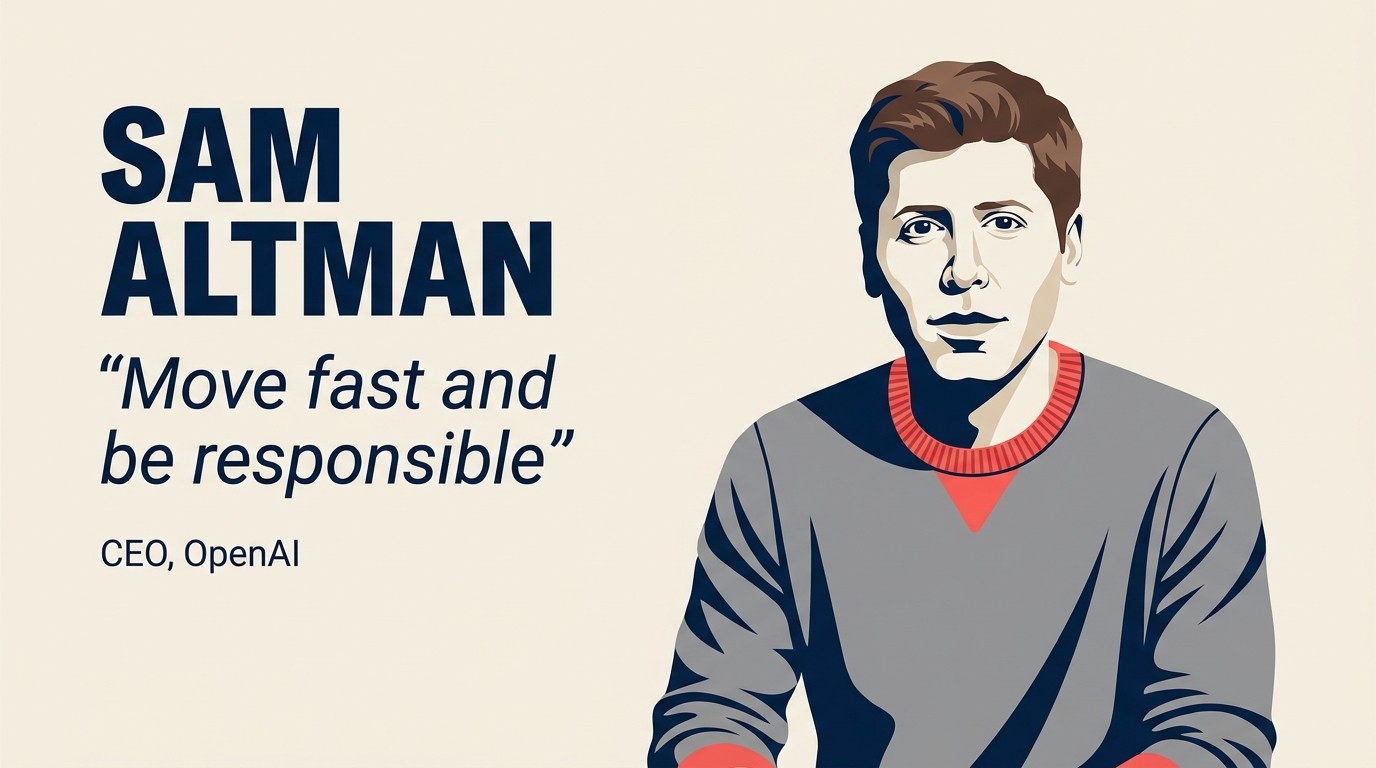
Profil awam Sam Altman sebelum November 2023 adalah ketara tetapi bukan menentukan. Dia telah menjalankan Y Combinator, mendukung beberapa syarikat yang berjaya, dan dikenali di Silicon Valley sebagai pemikir strategik yang luar biasa jelas. Kemudian OpenAI melepaskan ChatGPT pada November 2022. Dalam dua bulan, ia mempunyai 100 juta pengguna, pengadopsian produk pengguna tercepat dalam sejarah. Altman menjadi salah seorang eksekutif teknologi yang paling serius di dunia hampir dalam sekelip mata.
Kemudian, pada November 2023, lembaga OpenAI memecatnya. Lima hari kemudian, dia dipulihkan. Seluruh lembaga yang memecatnya berundur. Ia adalah krisis tadbir urus yang paling awam di syarikat teknologi utama dalam bertahun-tahun, dan ia berlaku kepada organisasi yang bertanggungjawab untuk pelepasan teknologi paling transformatif dalam generasi.
Jujukan itu (terobosan, krisis, pulangan) memberitahu anda lebih tentang kepemimpinan Altman daripada sebarang profil yang ditulis semasa tahun-tahun baik. Bagaimana seseorang menavigasi rampasan lembaga sementara pekerja organisasi mereka menggelar membela diri mereka mendedahkan sesuatu tentang bagaimana mereka telah benar-benar membina kesetiaan dan apa yang mereka berdiri.
Model Penskalaan Berulang Altman
Model Penskalaan Berulang Altman adalah doktrin kepemimpinan yang menganggap penggunaan awam awal sebagai mekanisme keselamatan teras untuk teknologi transformatif, bukan keberangkatan daripadanya. Di bawah model ini, seorang pemimpin menghantar versi yang secara progresif lebih mampu kepada pengguna sebenar (GPT-3.5 pada 2022, GPT-4 pada 2023, dan pengganti pada tempo yang termampat) atas dasar bahawa adaptasi sosial dan isyarat pasukan merah hanya muncul pada skala. Struktur modal, terma perkongsian, dan halaju dalaman kemudian direkayasa ke belakang daripada tempo penggunaan, bukan cara lain.
Pecahan Gaya Kepemimpinan
| Gaya | Berat | Bagaimana Ia Ditunjukkan |
|---|---|---|
| Visioner | 75% | Altman secara konsisten telah memegang bahawa AGI — kecerdasan umum buatan — datang, bahawa OpenAI harus menjadi organisasi untuk membinanya, dan bahawa peningkatan potensi membenarkan risiko. Dia telah memegang tesis itu melalui krisis pembiayaan, perdebatan keselamatan, dan konflik lembaga. Visi tidak berubah dengan kitaran berita. |
| Pragmatik | 25% | Walaupun visi ayunan besar, Altman adalah luar biasa operasi. Dia tahu metrik produk. Dia melakukan terma urus niaga sendiri. Dia menguruskan ke atas kepada pelabur dengan ketepatan yang luar biasa. Lapisan pragmatik adalah apa yang menjadikan lapisan visioner boleh dilaksanakan. |
Kebanyakan pemimpin visioner gagal kerana mereka tidak dapat operasionalisasi. Altman adalah berbeza kerana 25% pragmatik adalah benar-benar kuat. Dia boleh menterjemahkan tesis jangka panjang kepada keputusan seterusnya yang khusus. Gabungan itu jarang dan adalah teras mengapa OpenAI telah melaksanakan pada kecepatan yang telah.
Sifat-Sifat Kepemimpinan Utama
| Sifat | Penilaian | Apa Maksudnya dalam Amalan |
|---|---|---|
| Keyakinan | Sangat Tinggi | "Bergerak pantas dan bertanggungjawab." Versi Altman tentang keyakinan bukan melulu — ia dikalibrasi ke saiz pertaruhan. Dia percaya manfaat potensi pembangunan AI mengatasi risiko bergerak cepat, dan dia bersedia untuk mempertahankan itu secara terbuka walaupun ketika khalayak tidak mesra. Apabila dia memberi kesaksian sebelum Kongres, dia tidak pagar — dia memberitahu senator secara langsung bahawa dia takut AI dan fikir peraturan diperlukan. Itu adalah jenis keyakinan tertentu: mengatakan perkara sebenar yang tidak selesa walaupun apabila anda akan mendapat manfaat daripada mengatakan palsu yang selesa. |
| Pembinaan Rangkaian | Sangat Tinggi | Rangkaian Altman adalah keunggulan kompetitif keduanya selepas keyakinannya. Dia membina hubungan di YC merentasi ribuan pengasas, pelabur, dan pengendali. Dia menggunakan rangkaian itu untuk merekrut penyelidik, menutup urus niaga Microsoft, dan bertahan krisis lembaga — 700+ pekerja OpenAI yang mengancam untuk meninggalkan jika dia tidak dipulihkan adalah fungsi tahun-tahun pelaburan dalam hubungan orang. |
| Kecepatan Pelaksanaan | Tinggi | GPT-3.5, ChatGPT, GPT-4, dan model video Sora semuanya dihantar dalam garis masa yang termampat yang mengejutkan industri. Altman menjalankan OpenAI dengan bias menuju penghantaran daripada sempurna. Dia telah berkata secara terbuka bahawa pendekatan penggunaan berulang OpenAI — melepaskan produk lebih awal untuk belajar daripada penggunaan dunia sebenar — adalah sendirinya strategi keselamatan, kerana ia membina ketakalan sosial dengan AI sebelum sistem yang paling berkuasa tiba. |
| Pengumpulan Dana | Tinggi | OpenAI telah mengumpul lebih banyak modal daripada hampir mana-mana syarikat teknologi swasta dalam sejarah. Urus niaga Microsoft — komitmen multi-fasa $13 bilion sebagai pertukaran untuk eksklusiviti Azure dan bahagian hasil — memerlukan menavigasi hubungan rakan korporat sambil mengekalkan kemerdekaan penyelidikan. Altman menstruktur urus niaga itu dengan cara yang membiayai keperluan pengkomputeran OpenAI tanpa menyerah kawalan strategik. |
3 Keputusan yang Menentukan Altman sebagai Pemimpin
1. Pelancaran GPT-4 dan Strategi Penggunaan Berulang
Apabila OpenAI melancarkan ChatGPT pada November 2022, ia pada mulanya diletakkan sebagai pratonton penyelidikan berprofil rendah. Pasukan tidak menjangka 1 juta pengguna dalam lima hari dan 100 juta dalam dua bulan. Tetapi keputusan untuk menghantar produk berhadapan pengguna dan bukannya mengekalkan GPT-3.5 sebagai API tulen adalah disengajakan.
Tesis Altman adalah bahawa menggunakan AI berulang (dalam produk di mana orang sebenar menggunakannya, mengalami kegagalannya, dan memberikan maklum balas) adalah bagaimana anda belajar apa yang sebenarnya diselaraskan dan keselamatan dalam amalan. Anda tidak boleh pasukan merah penuh model dalam makmal kerana anda tidak boleh sepenuhnya mengantisipasi apa yang 100 juta orang akan cuba menggunakannya untuk. Penggunaan adalah proses keselamatan.
Ini adalah kedudukan sebenar dengan tukar ganti sebenar. Para pengkritik, termasuk beberapa dalam OpenAI, berhujah bahawa melepaskan AI berkuasa kepada publik umum sebelum masalah diselaraskan diselesaikan adalah sendirinya risiko keselamatan. Altman menerima kritik itu dan memegang kedudukannya.
Apa yang ini tunjukkan: strategi pelancaran GPT-4 mencerminkan teori khusus tentang cara membina secara bertanggungjawab dalam domain di mana tingkah laku bertanggungjawab tidak sepenuhnya ditakrifkan. Altman bukan acuh tak acuh kepada keselamatan. Dia membuat tuntutan yang berbeza tentang apa keselamatan memerlukan. Perbezaan itu penting apabila anda menilai keputusan, dan ia penting apabila anda membuat keputusan analog dalam syarikat anda sendiri tentang apabila menghantar berbanding apabila terus membina.
2. Perkongsian Microsoft
Pada 2019, OpenAI mengambil $1 bilion daripada Microsoft. Pada 2023, itu berkembang kepada komitmen pelbagai tahun, multi-bilion yang disusun sebagai bahagian hasil dan pengaturan akses pengkomputeran dan bukannya urus niaga ekuiti mudah. Microsoft mendapat Azure sebagai penyedia awan eksklusif OpenAI dan peratusan hasil komersial OpenAI. OpenAI mendapat pada dasarnya pengkomputeran tanpa had tanpa perlu terus mengumpul pusingan ekuiti tradisional.
Urus niaga itu secara struktur luar biasa. Struktur keuntungan berhad OpenAI (yang mengehadkan pulangan pelabur dan memberikan lembaga bukan untung kawalan muktamad) membuat pembiayaan usaha niaga piawai rumit. Altman membina urus niaga yang menyelesaikan masalah modal OpenAI tanpa menyelesaikan soalan tadbir urus yang kemudian akan meledak.
Keputusan kepemimpinan di sini adalah untuk mengoptimalkan untuk kecepatan dan skala, menerima pergantungan rakan sebagai harga. Microsoft kini mempunyai leverage yang besar terhadap infrastruktur OpenAI dan trajektori komersial. Altman menerima tukar ganti itu kerana alternatif, pengumpulan modal yang lebih perlahan, bermakna berpotensi kehilangan perlumbaan kepada peralihan teknologi paling penting abad.
Untuk pemimpin hari ini: urus niaga Microsoft adalah kajian kes dalam perkongsian strategik di mana terma penting sebanyak modal. Sebelum anda mengambil pelaburan strategik besar atau perkongsian, model apa hubungan kelihatan seperti jika minat rakan dan milik anda menyimpang. Altman tahu ini adalah risiko. Sama ada dia mendapat baki betul masih ditentukan.
3. Krisis Lembaga dan Pulangan
Pada November 2023, lembaga OpenAI mengeluarkan Altman — termasuk pengarah bebas dan ahli berfokus keselamatan — tanpa penjelasan awam yang jelas, hanya mengatakan dia belum "secara konsisten cukup jujur" dengan mereka. Dalam 24 jam, lebih 700 daripada kira-kira 770 pekerja OpenAI menandatangani surat mengancam untuk meninggalkan jika dia tidak dipulihkan. Microsoft menawarkan untuk mengupah Altman dan seluruh pasukan OpenAI jika perlu. Lima hari selepas dipecat, Altman kembali sebagai CEO. Ahli lembaga yang memecatnya digantikan.
Apa yang ini memberitahu anda tentang kepemimpinannya? Respons pekerja adalah titik data yang paling mendedahkan. Anda tidak mendapatkan 90% daripada organisasi penyelidikan 770 orang mengancam berjalan keluar bagi seseorang yang mereka tidak percaya secara sebenar. Altman telah membina kesetiaan sebenar, bukan melalui faedah atau slogan tetapi melalui tahun-tahun menjadi orang yang berpendapat untuk kepentingan pasukannya, berkomunikasi secara jelas tentang pertaruhan, dan membuat keputusan orang dapat memahami walaupun apabila mereka tidak setuju.
Krisis tadbir urus sendiri juga mendedahkan sesuatu. Lembaga dengan kebimbangan keselamatan sebenar tentang pembangunan AI mencoba mengeluarkan CEO syarikat AI paling berkuasa di dunia dan telah dilampaui oleh kekuatan pasaran dalam kurang daripada seminggu. Itu adalah isyarat tentang batasan tadbir urus struktur bukan untung dalam pasaran teknologi yang dikomersialkan, satu yang mempunyai implikasi jauh melampaui OpenAI. Dario Amodei meninggalkan OpenAI bagi Anthropic melalui tepat ketegangan keselamatan-vs-kecepatan itu, membina pesaing langsung daripada pasukan pengasas yang sama. Demis Hassabis di DeepMind telah mengambil jalan yang lebih perlahan, penyelidikan-pertama kepada AGI. Dan Mustafa Suleyman mengasaskan bersama DeepMind kemudian pindah ke Microsoft — trajektori yang memetakan pemecahan bakat yang lebih luas kini menentukan landskap kepemimpinan AI.
Apa Yang Altman Akan Lakukan dalam Peranan Anda
Jika anda seorang pengasas atau CEO startup, sifat keyakinan adalah pelajaran Altman yang paling boleh dipindahkan. Dia memegang tesisnya tentang pembangunan AI secara terbuka, berulang kali, dan di bawah soalan yang tidak mesra. Jika anda tidak tahu tesis teras syarikat anda yang sejuk (mengapa anda wujud, apa yang anda percaya tentang masa depan yang orang lain belum, apa tukar ganti anda sanggup buat untuk itu), anda tidak dapat memimpin melalui tempoh apabila tesis tidak popular. Tuliskannya. Kemudian uji dalam perbualan di mana orang menolak.
Jika anda mengumpul pusingan besar atau menstruktur perkongsian strategik, struktur urus niaga Microsoft adalah berbaloi untuk mempelajari. Altman menyelesaikan masalah akses modal tanpa pelupusan ekuiti tradisional dengan mewujudkan penjajaran antara keperluan pengkomputeran OpenAI dan matlamat hasil awan Microsoft. Sebelum anda mengambil bentuk modal yang jelas, tanyakan sama ada terdapat struktur yang menyelesaikan kekangan anda secara berbeza.
Jika anda membina organisasi teknikal, strategi penggunaan berulang mempunyai pelajaran operasi: jurang antara ujian dalaman dan penggunaan dunia sebenar sentiasa lebih besar daripada anda fikir. Mendapatkan produk anda di depan pengguna sebenar lebih pantas, walaupun dalam bentuk terhad, menghasilkan maklumat yang tidak ada jumlah pasukan merah dalaman menghasilkan. Itu adalah benar untuk AI, untuk produk SaaS, dan untuk hampir mana-mana perkhidmatan yang rumit.
Jika anda ahli lembaga atau pemimpin tadbir urus, krisis OpenAI adalah kes kajian paling jelas baru-baru tentang apa yang berlaku apabila lembaga bukan untung mencuba menjalankan pengawasan ke atas organisasi yang secara komersial berharga tanpa menyelaraskan minatnya dengan orang yang melakukan kerja. Jika anda duduk di lembaga, tanyakan dengan jujur sama ada struktur tadbir urus yang anda beroperasi di dalam dapat benar-benar menjalankan pengawasan bermakna dalam krisis, atau sama ada ia adalah kekangan kertas.
Bagaimana Rework Sesuai Model Operasi Gaya Altman
Bahagian paling sukar menjalankan organisasi gaya Altman bukan visi — ia mengekalkan lembaga, eksekutif, dan ~700+ pekerja selaras pada tempo penghantaran yang lebih pantas daripada tadbir urus yang selesa. Krisis November 2023 bukan kegagalan strategi; ia adalah kegagalan keterlihatan operasi yang dikongsi. Rework dibina untuk jurang itu. Lapisan operasi kerja bersatu ($6/pengguna/bulan) tambah operasi penjualan dan hasil ($12/pengguna/bulan) memberikan pengasas satu sumber kebenaran untuk apa yang menghantar, apa yang meluncur, dan komitmen yang mana lembaga terakhir dibekalkan pada — jenis jejak audit yang transparan yang membuat kepemimpinan penggunaan berulang boleh dipertahankan di bawah tekanan. Anda tidak dapat mencegah setiap percanggahan tadbir urus, tetapi anda boleh memastikan percanggahan adalah tentang strategi, bukan tentang versi peta jalan yang mana adalah semasa. Lihat rework.com/pricing.
Sisi Bayangan: Apa Yang Altman Salah
Krisis lembaga, apa pun pandangan anda tentang keputusan asas, mendedahkan kegagalan tadbir urus. Syarikat yang bertanggungjawab untuk beberapa sistem AI yang paling berkuasa pernah dibangun mempunyai lembaga yang boleh dilebihi oleh tekanan komersial dalam lima hari. Jika kebimbangan keselamatan lembaga adalah sah (dan mereka mungkin), hasil krisis menunjukkan kebimbangan itu tidak mempunyai sokongan institusi sebenar. Itu adalah masalah tanpa mengira sama ada Altman betul atau salah.
Kepekatan kuasa AI adalah kritik sebenar yang tidak mempunyai jawapan bersih. Model AI paling berkuasa OpenAI tersedia kepada pelanggan membayar dan pemaju API, tetapi keupayaan asas dan keputusan tentang apa untuk melepaskan, apabila, dan kepada siapa duduk dengan pasukan kecil di San Francisco. Altman telah luar biasa transparan tentang kebimbingan beliau sendiri tentang kepekatan ini. Tetapi pengakuan bukan penyelesaian yang sama.
Ketegangan kecepatan-versus-keselamatan adalah berkelanjutan. OpenAI telah melepaskan sistem yang menghasilkan keluaran berbahaya, memungkinkan maklumat palsu, dan mencipta gangguan ekonomi untuk kategori pekerja kreatif. Teori penggunaan berulang Altman adalah koheren, tetapi ia memerlukan menerima bahaya jangka pendek sebenar sebagai pertukaran untuk pembelajaran jangka panjang. Orang yang munasabah tidak setuju tentang sama ada tukar ganti itu dibenarkan.
Dan kegagalan komunikasi lembaga, apa pun maksud "tidak secara konsisten cukup jujur", mencerminkan risiko kepemimpinan sebenar. Altman adalah komunikator luaran yang luar biasa baik. Sama ada dia sebagai jelas secara dalaman dengan lembaganya tentang keputusan utama seperti dia di temu bual awam adalah soalan sah yang krisis dibangkitkan dan yang belum dijawab sepenuhnya.
Pelajaran Kepemimpinan Yang Boleh Anda Gunakan Minggu Ini
1. Tuliskan tesis anda. Minggu ini, tuliskan satu perenggan tentang apa yang anda percaya syarikat anda tentang masa depan yang kebanyakan orang tidak lagi lihat. Jika anda tidak boleh menulisnya dalam perenggan, ia bukan jelas cukup untuk memimpin oleh. Kongsikan dengan pasukan kepemimpinan anda dan minta mereka untuk tolak ke atasnya.
2. Membina kesetiaan sebelum anda memerlukannya. Pulangan Altman adalah mungkin kerana dia telah melabur dalam hubungan merentasi organisasinya selama bertahun-tahun. Fikir tentang siapa di pasukan anda yang akan menyokong anda jika kedudukan anda dicabar, dan sama ada senarai itu selama itu sepatutnya.
3. Petakan risiko tadbir urus anda. Jika lembaga, pelabur, atau rakan anda perlu mengatasi strategi anda esok, apa yang boleh mereka lakukan dan apa yang tidak boleh? Memahami kekangan tadbir urus sebenar anda bukan sama dengan membaca perjanjian operasi anda. Petakan kebergantungan sebenar.
4. Hantar sesuatu untuk belajar sesuatu. Cari satu perkara pasukan anda telah memperhalusi secara dalaman lebih lama daripada pembelajaran luaran yang anda dapatkan daripada melepaskannya akan membenarkan. Buat keputusan sama ada iterasi dalaman tambahan bernilai isyarat dunia sebenar yang ditangguhkan.
Ketahui Lebih Lanjut
Artikel ini mendalami tema dalam profil Altman:
- Bagaimana Mengumpul Pusingan Strategik Tanpa Kehilangan Arahan Anda
- Tadbir Urus AI untuk Eksekutif: Apa Yang Lembaga Perlu Fahami
- Gaya Kepemimpinan Marc Benioff: Bagaimana CEO Salesforce Membina Era Cloud CRM
- Gaya Kepemimpinan Steve Jobs: Bagaimana Kesempurnaan dan Visi Membina Syarikat Paling Berharga Dunia
On this page
- Model Penskalaan Berulang Altman
- Pecahan Gaya Kepemimpinan
- Sifat-Sifat Kepemimpinan Utama
- 3 Keputusan yang Menentukan Altman sebagai Pemimpin
- 1. Pelancaran GPT-4 dan Strategi Penggunaan Berulang
- 2. Perkongsian Microsoft
- 3. Krisis Lembaga dan Pulangan
- Apa Yang Altman Akan Lakukan dalam Peranan Anda
- Bagaimana Rework Sesuai Model Operasi Gaya Altman
- Sisi Bayangan: Apa Yang Altman Salah
- Pelajaran Kepemimpinan Yang Boleh Anda Gunakan Minggu Ini
- Ketahui Lebih Lanjut