More in
Berita AI, Pekerjaan & Keterampilan
Sektor Keuangan Terus Kehilangan Pekerjaan saat Ekonomi Merekrut: Peringatan bagi Pekerja Kantoran
Jun 6, 2026
Keterampilan AI Menjadi Rekrutmen Paling Sulit di Dunia. Anda Tidak Bisa Keluar Hanya dengan Merekrut
Jun 6, 2026
Apakah AI Benar-benar Membunuh Pekerjaan? Angka Perekrutan Mei Mengatakan Jangan Terburu-buru
Jun 5, 2026
Anda Menempatkan AI Agent di Bagan Organisasi. Akuntabilitas Diam-diam Melemah
Jun 5, 2026
Semua Menyalahkan AI atas Krisis Kerja Gen Z. The Fed Menunjuk pada Kerja Jarak Jauh
Jun 5, 2026
Dampak Bersih AI pada Pekerjaan Turun ke 11.000 per Bulan. Sektor Konstruksi Menyembunyikan Kebenaran
Jun 4, 2026
AI Disalahkan atas 40% PHK AS di Bulan Mei, Bulan Ketiga Berturut-turut
Jun 4, 2026
Empat Masa Depan Pekerjaan hingga 2030: Titik Evaluasi Pertengahan 2026 bagi CEO
Jun 3, 2026
Bisakah Program Magang AI Federal Menutup Kesenjangan Keterampilan Anda Lebih Murah daripada Merekrut?
Jun 3, 2026
Gaji AI Engineer Terbagi Menjadi Dua Pasar. Hanya yang Teratas yang Merupakan Gelembung
Jun 3, 2026
Bahasa Indonesia
11.000 Pekerjaan Teknologi Lenyap pada 20 Mei. Ini Panduan Komunikasi CHRO untuk 80% Karyawan yang Masih Bertahan
Turn this article into takeaways for your work.


Each assistant summarizes the article only for you and suggests best practices for your work.
Pada suatu pagi di hari Rabu, sekitar 11.000 karyawan teknologi mengetahui bahwa mereka tidak lagi memiliki pekerjaan. 80% yang tetap di posisi mereka sedang menunggu untuk melihat apa yang Anda lakukan selanjutnya.
Itulah situasi yang dihadapi CHRO setelah 20 Mei 2026, ketika Meta dan Intuit masing-masing mengumumkan pengurangan jumlah karyawan secara besar-besaran pada pagi yang sama. Menurut 4 Corner Resources, total gabungan dalam satu hari itu menjadikannya peristiwa pemutusan hubungan kerja massal (PHK massal) terbesar yang dikaitkan dengan AI dalam satu hari sepanjang tahun 2026. Kedua perusahaan membingkai pengurangan tersebut, setidaknya sebagian, di sekitar investasi AI dan efisiensi organisasi. Kedua perusahaan juga meminta karyawan mereka yang tersisa untuk bergerak lebih cepat menggunakan alat AI. Kontradiksi itulah tepatnya di mana strategi komunikasi kepada karyawan yang selamat akan bertahan atau hancur.
Apa yang Sebenarnya Terjadi pada 20 Mei
Berdasarkan laporan NPR tanggal 20 Mei, Meta memberi tahu sekitar 8.000 karyawan mulai pukul 04.00 waktu setempat, sekitar 10% dari tenaga kerja globalnya. Perusahaan tidak berhenti di situ. Secara bersamaan, Meta memindahkan sekitar 7.000 karyawan ke dalam empat unit organisasi baru yang berfokus pada AI dan membatalkan sekitar 6.000 posisi yang masih terbuka. Dampak bersihnya: sekitar 21.000 posisi diatur ulang dalam satu minggu. Meta melaporkan pendapatan kuartalan tertinggi sebesar $56,31 miliar pada periode yang sama dan memperkirakan pengeluaran infrastruktur AI sepanjang tahun mendekati $145 miliar. Pengurangan jumlah karyawan disajikan sebagai mekanisme pendanaan bagi ambisi tersebut.
Kasus Intuit menambahkan lapisan kompleksitas. Seperti yang dilaporkan TechCrunch, perusahaan menghapus sekitar 3.000 posisi, yaitu 17% dari tenaga kerja globalnya, pada pagi yang sama. CEO Sasan Goodarzi secara terbuka menyatakan bahwa pemotongan tersebut tidak ada hubungannya dengan AI, melainkan menunjuk pada kompleksitas organisasi dan kebutuhan untuk mempercepat pengiriman produk. Yang tidak ditonjolkan Intuit dalam pernyataan tersebut: perusahaan telah secara terpisah menandatangani perjanjian multi-tahun dengan Anthropic dan OpenAI untuk menanamkan model-model mereka ke dalam platform pajak dan keuangan intinya. Kedua hal itu bisa saja benar. Pengurangan jumlah karyawan bisa saja benar-benar didorong oleh desain organisasi. Dan perusahaan tetap bisa bertaruh besar pada AI untuk melakukan lebih banyak hal dengan lebih sedikit orang.
Fakta Utama
- Meta memberi tahu sekitar 8.000 karyawan (sekitar 10% dari tenaga kerja) pada 20 Mei 2026, sekaligus membatalkan sekitar 6.000 posisi terbuka dan memindahkan sekitar 7.000 staf ke struktur organisasi baru yang berfokus AI. (NPR, 20 Mei 2026)
- Intuit memutus hubungan kerja sekitar 3.000 karyawan, yaitu 17% dari staf global, pada pagi yang sama. (TechCrunch, 20 Mei 2026)
- Total PHK di sektor teknologi pada 2026 melampaui 111.000 orang di lebih dari 140 perusahaan pada akhir Mei, mendekati total keseluruhan 2025 sebelum pertengahan tahun. (Layoffs.fyi via 4 Corner Resources, Mei 2026)
Mengapa Hari Ini Penting Meski Perusahaan Anda Tidak Melakukan PHK
Karyawan Anda tidak melewatkan berita ini. Mereka melihatnya di feed LinkedIn, grup obrolan, dan newsletter teknologi sebelum pernyataan resmi keluar. Bahkan jika organisasi Anda tidak melakukan pemotongan apa pun pada 20 Mei, tenaga kerja Anda memperbarui model mental mereka tentang keamanan kerja pada pagi itu.
Riset tentang kesenjangan kesiapan tenaga kerja 2026 menunjukkan 98% eksekutif sudah mendesain ulang pekerjaan di sekitar AI, namun hanya separuh yang merasa siap mengelola sisi manusia dari transisi tersebut. Ketika dua perusahaan besar memvalidasi narasi restrukturisasi AI dalam satu pagi, setiap karyawan yang masih aktif di setiap perusahaan yang bersentuhan dengan teknologi menjalankan kalkulasi internal yang cepat: apakah saya berikutnya?
Kalkulasi itu tidak hilang dengan sendirinya. Ia berkembang menuju kepercayaan atau menuju pengunduran diri.
Jurang bagi Karyawan yang Selamat
Sindrom survivor mengikuti pola tiga fase yang dapat diprediksi. Sebagian besar CHRO tahu tentang fase pertama. Mereka yang mengelolanya dengan baik memahami ketiganya.
Fase 1: Syok (Minggu 0-2). Karyawan masih memproses situasi. Skor keterlibatan menurun. Produktivitas terganggu. Orang-orang tidak fokus. Namun sebagian besar dari mereka bertahan. Ini adalah fase yang biasanya ditanggapi CHRO dengan pertemuan semua karyawan atau town hall. Respons itu perlu namun tidak cukup.
Fase 2: Keraguan (Minggu 2-6). Ini adalah jendela waktu yang paling sering dilewatkan oleh CHRO. Syok awal telah memudar. Orang-orang mulai mengajukan pertanyaan yang lebih sulit. Apakah ini benar-benar tentang AI? Apakah saya diminta menggunakan alat yang menggantikan rekan kerja saya? Apakah kepemimpinan jujur tentang ke mana arah ini? Upaya diskresi, yaitu upaya yang dipilih orang untuk diberikan di atas minimum mereka, turun tajam di sini. Karyawan berprestasi tinggi mulai diam-diam memperbarui resume mereka karena mereka punya pilihan lain.
Fase 3: Pemulihan Kepercayaan atau Pengunduran Diri Diam-Diam (Minggu 6-12). Pada minggu keenam, karyawan yang selamat telah membuat keputusan sementara. Mereka sudah memutuskan bahwa kepemimpinan telah jujur kepada mereka dan mereka bersedia berinvestasi, atau mereka telah memutuskan bahwa kepemimpinan mengelola narasi daripada mengelola orang dan mereka bertahan hanya untuk mencari sesuatu yang lebih baik. Hasil Fase 3 ditentukan hampir sepenuhnya oleh apa yang Anda lakukan selama Fase 2.
Jurang bagi Karyawan yang Selamat, penurunan tajam dalam keterlibatan antara minggu kedua dan keenam, adalah jendela risiko yang paling menentukan. Kalender komunikasi Anda harus dibangun di sekitarnya.
Panduan Komunikasi 5 Babak untuk Karyawan yang Selamat
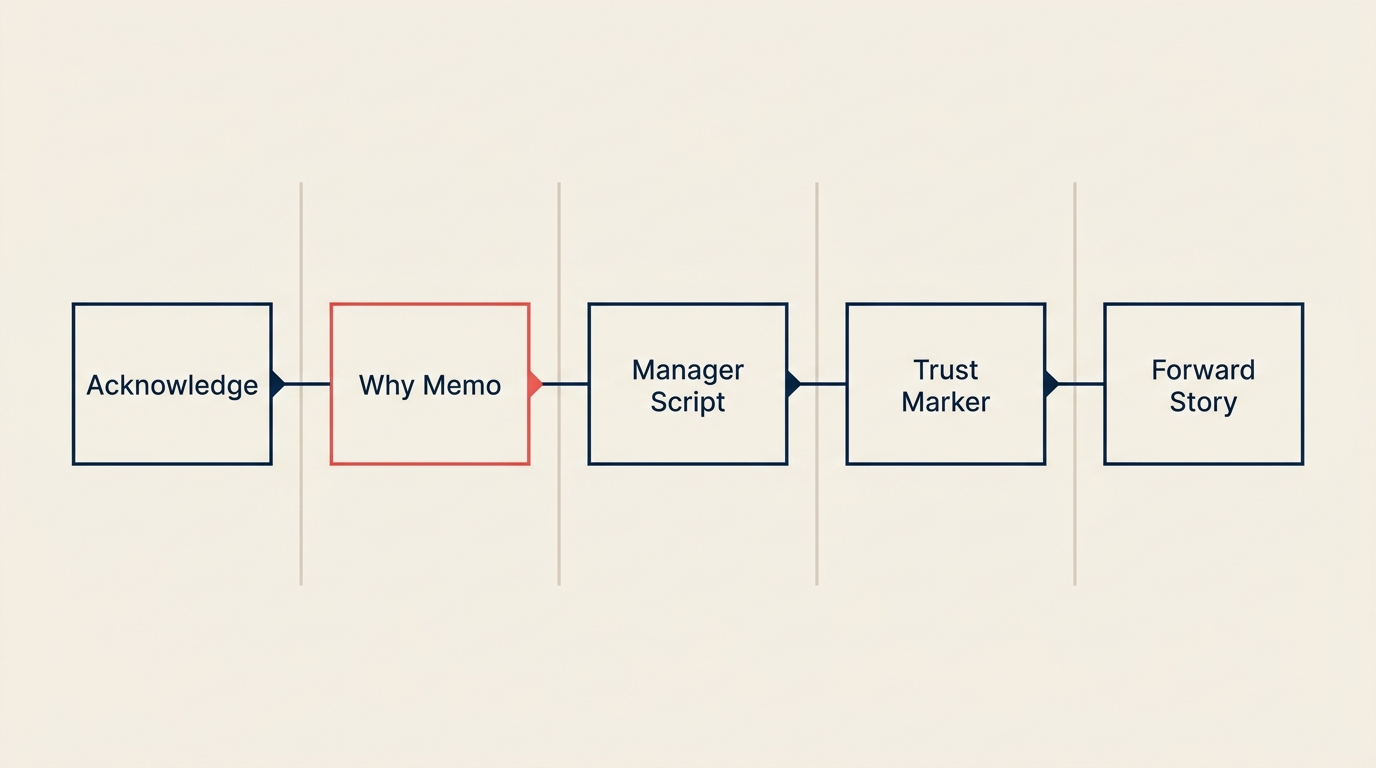
Kerangka kerja berikut dirancang untuk mengatasi ketiga fase dari Jurang Karyawan yang Selamat. Tidak memerlukan persetujuan anggaran atau alat baru. Ini memerlukan CHRO yang bersedia memberikan kata-kata spesifik kepada kepemimpinan, bukan sekadar template komunikasi.
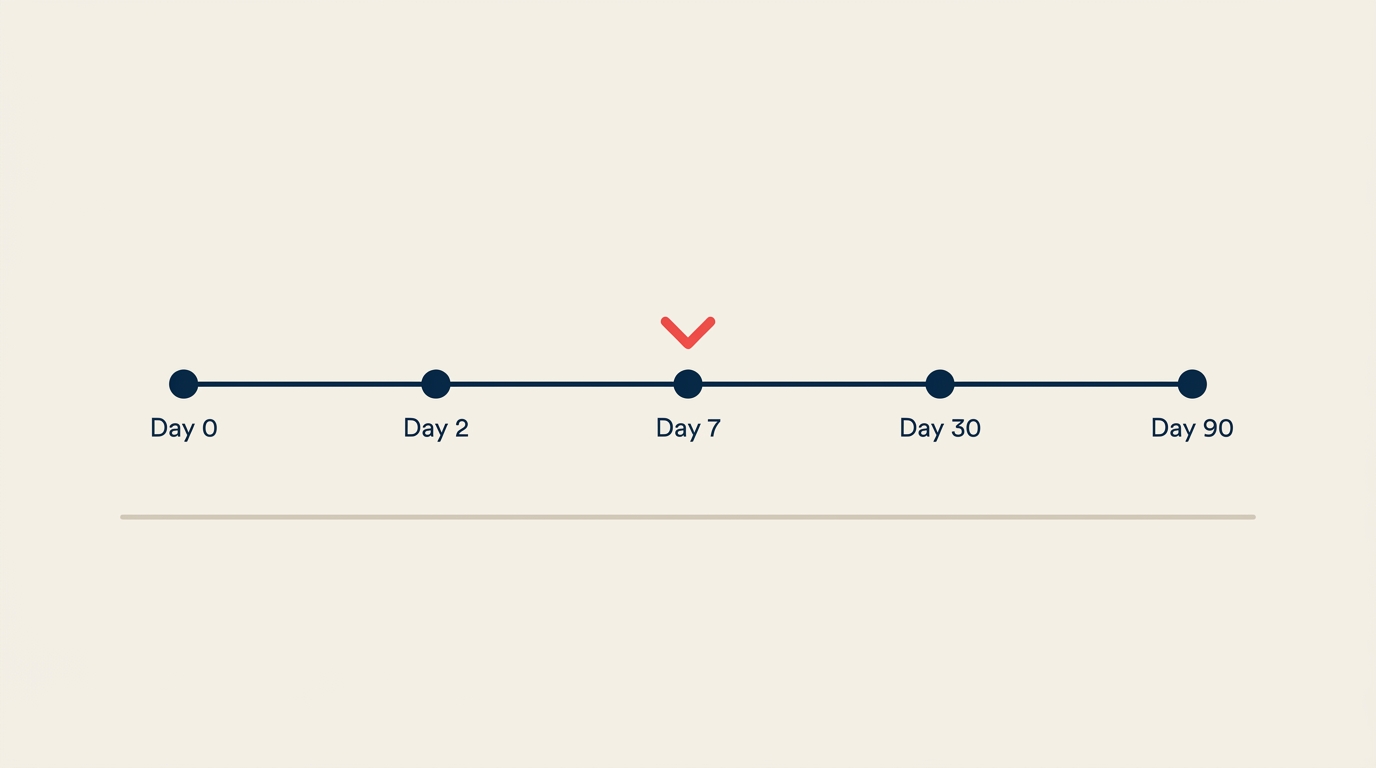
Babak 1: Pengakuan Jujur di Hari yang Sama (Hari 0)
Kepemimpinan perlu mengakui apa yang terjadi pada hari yang sama, menyebutkan jumlah dan alasannya secara terus terang. Bukan "kami harus membuat beberapa perubahan sulit untuk berinvestasi demi masa depan." Itu adalah sinyal bahwa kepemimpinan tidak akan jujur kepada mereka, dan karyawan akan mengisi kekosongan tersebut dengan interpretasi terburuk mereka.
Yang berhasil: "Kami memutus hubungan kerja 800 posisi hari ini. Alasannya adalah [X]. Bagi Anda yang masih di sini, inilah artinya bagi tim Anda."
Babak 2: Memo Alasan dalam 48 Jam (Hari 1-2)
Memo tertulis langsung dari CEO atau CHRO harus menjangkau setiap karyawan yang tersisa dalam 48 jam. Tiga pertanyaan yang perlu dijawab: Mengapa ini terjadi? Apa yang secara spesifik tidak akan berubah? Apakah akan ada lagi? Yang ketiga adalah yang paling sulit. Jika ada ketidakpastian yang sesungguhnya, katakan demikian. "Saya tidak bisa memberi tahu Anda bahwa tidak akan ada perubahan lebih lanjut. Saya bisa memberi tahu Anda bahwa keputusan yang mendorong hal ini sudah selesai untuk saat ini" lebih kredibel daripada jaminan palsu.
Perusahaan yang kesulitan di Fase 2 hampir selalu adalah mereka yang mengeluarkan pernyataan di Hari 0 lalu diam selama dua minggu.
Babak 3: Skrip Pertemuan 1:1 Manajer (Minggu 1)
Setiap manajer akan segera menghadapi percakapan yang sama dengan setiap laporan langsung yang bertahan: "Apa artinya ini bagi saya?" Sebagian besar manajer tidak tahu apa yang harus dikatakan. Mereka akan memberikan jaminan berlebihan atau diam, keduanya mempercepat keraguan Fase 2.
Berikan setiap manajer bahasa yang spesifik sebelum percakapan tersebut terjadi. Bukan poin-poin pembicaraan. Kalimat-kalimat nyata yang dapat mereka gunakan atau adaptasi. Bahas tiga hal yang akan ditanyakan karyawan: Apakah peran saya aman? Apakah tim akan berubah? Apa yang harus saya lakukan jika saya sedang kesulitan?
Ini adalah intervensi yang bermakna. Riset bumerang PHK AI menunjukkan bahwa pergantian karyawan setelah restrukturisasi di antara mereka yang selamat sebagian besar didorong oleh kualitas komunikasi di tingkat manajer, bukan pernyataan di tingkat perusahaan.
Babak 4: Penanda Kepercayaan 30 Hari (Minggu 4)
Pada minggu keempat Anda sudah berada jauh di dalam Fase 2. Anda membutuhkan komitmen nyata yang membutuhkan biaya nyata dari perusahaan. Bukan acara pesta pizza. Bukan manfaat kesehatan baru. Sesuatu yang memberi sinyal bahwa kepemimpinan berinvestasi pada orang-orang yang bertahan.
Pilihan yang berhasil: memperluas anggaran pelatihan daripada memotongnya sebagai langkah efisiensi lanjutan; memberikan tim yang tersisa sumber daya untuk menyelesaikan pekerjaan yang sebelumnya dibawa oleh rekan-rekan yang sudah pergi; membuat saluran umpan balik terstruktur di mana karyawan yang selamat dapat mengajukan pertanyaan secara anonim dan mendapatkan jawaban langsung.
Biayanya itulah yang membuatnya kredibel. Komitmen yang memerlukan pertukaran nyata memberi sinyal bahwa kepemimpinan memilih tenaga kerja daripada alternatif yang lebih mudah.
Babak 5: Narasi ke Depan 90 Hari (Hari 60-90)
Pada hari ke-90, Jurang Karyawan yang Selamat telah terselesaikan. Berikan setiap karyawan yang tersisa jawaban yang jelas dan spesifik untuk peran mereka atas pertanyaan yang mereka ajukan sejak hari pertama: di mana posisi saya dalam struktur baru ini, dan mengapa pekerjaan saya penting?
"Kami menginvestasikan $145 miliar dalam AI" tidak memberi tahu seorang product manager di Jakarta tentang seperti apa pekerjaan mereka dalam enam bulan ke depan. Hubungkan arah perusahaan dengan pekerjaan spesifik tim dan peran individu. Koneksi itulah yang mengubah komitmen sementara menjadi retensi yang tulus.
Apa yang Dilakukan Meta dan Intuit dengan Benar (dan Salah)
Meta memang jujur soal skala dan framing. Menyebut pemotongan sebagai mekanisme investasi AI menetapkan ekspektasi yang lebih jelas daripada "keputusan restrukturisasi yang sulit." Namun mengumumkan perubahan mulai pukul 04.00 sebelum manajer siap menciptakan kesenjangan Babak 3: karyawan yang selamat membutuhkan percakapan dengan manajer dalam hitungan jam, dan sebagian besar tidak mendapatkannya.
Kasus Intuit lebih sulit. Pernyataan CEO bahwa pemotongan tidak ada hubungannya dengan AI kemungkinan dimaksudkan untuk mencegah kecemasan. Namun karyawan yang mengetahui bahwa perusahaan telah menandatangani kontrak vendor AI besar kini memegang dua informasi yang saling bertentangan. CHRO dalam posisi serupa perlu menutup kesenjangan itu langsung dalam memo Babak 2 mereka, atau keraguan Fase 2 berubah menjadi ketidakpercayaan.
Kedua perusahaan menunjukkan pelajaran inti yang sama: kesenjangan antar babak itulah tempat kepercayaan hilang, bukan dalam pernyataan resmi.
Untuk gambaran yang lebih luas tentang apa yang dipelajari CHRO dari pengurangan karyawan awal 2026, lihat panduan PHK teknologi Q1 2026. Jika Anda mengelola kesiapan AI tenaga kerja bersamaan dengan restrukturisasi, atasi keduanya dalam arc komunikasi yang sama.
Yang Harus Dilakukan Minggu Ini
Tiga tindakan dengan dampak segera:
Audit kalender Fase 2 Anda. Perhatikan apa yang dijadwalkan antara hari ke-14 dan hari ke-42. Jika ada kesenjangan lebih dari satu minggu antara titik sentuh kepemimpinan dalam jendela waktu tersebut, tutuplah. Fase 2 adalah saat ketika keheningan menimbulkan kerusakan terbesar.
Ambil skrip manajer Babak 3 Anda. Jika Anda belum memilikinya, tulis minggu ini. Berikan setiap manajer tiga hingga lima kalimat langsung untuk pertemuan 1:1 berikutnya. Kemudian periksa apakah percakapan tersebut benar-benar terjadi.
Rancang penanda kepercayaan Babak 4 Anda sebelum keuangan menyarankan untuk memotongnya. Anggaran pengembangan adalah korban pertama dari efisiensi pasca-restrukturisasi. Berkomitmenlah secara publik sebelum percakapan tersebut dimulai.
Data SHRM 2026 tentang kesenjangan kesadaran AI HR menunjukkan 67% pemimpin HR tidak percaya diri dalam menavigasi perubahan tenaga kerja terkait AI. Jurang Karyawan yang Selamat dan Panduan 5 Babak tidak rumit. Namun keduanya memerlukan kecepatan dan kekhususan yang sebagian besar perusahaan hindari secara default. Mulailah dengan Babak 1. Karyawan yang selamat sudah mengamati Anda.
FAQ
Haruskah kita mengakui PHK di perusahaan lain dalam pertemuan semua karyawan kita sendiri?
Ya, jika karyawan Anda kemungkinan sudah mengetahuinya. Berpura-pura bahwa peristiwa industri yang banyak diliput tidak terjadi terlihat seperti penghindaran, dan itu memberi sinyal bahwa kepemimpinan tidak akan membahas topik-topik sulit secara langsung. Anda tidak perlu mengomentari keputusan perusahaan lain. Mengakui bahwa industri sedang mengalami perubahan yang signifikan, dan menyatakan dengan jelas di mana posisi organisasi Anda, bersifat jujur sekaligus berguna. Diam atas peristiwa yang sudah diketahui bukan netralitas. Itu adalah celah yang akan diisi karyawan Anda dengan spekulasi.
Bagaimana jika kepemimpinan kami mengatakan AI bukan alasan restrukturisasi kami?
Katakan tepat hal itu, namun pasangkan dengan apa yang sebenarnya menjadi alasannya, dinyatakan secara spesifik. Kasus Intuit sangat instruktif: CEO Intuit dengan jelas menyatakan bahwa pemotongan tidak ada hubungannya dengan AI. Pernyataan itu wajar dibuat jika akurat. Namun pernyataan itu hanya berhasil jika penjelasan tentang apa yang benar-benar mendorong keputusan tersebut sama spesifiknya. "Kompleksitas organisasi dan kecepatan pengiriman produk" terlalu samar. "Kami memiliki tiga tim yang melakukan pekerjaan yang tumpang tindih pada produk yang sama dan itu memperlambat setiap satu dari mereka" adalah sesuatu yang dapat dievaluasi karyawan. Kekhususan itulah yang membuat penolakan terasa kredibel, bukan sekadar menghindar.
Berapa lama arc komunikasi untuk karyawan yang selamat harus berlangsung?
Arc formal berlangsung 90 hari, mencakup kelima babak dari panduan ini. Namun dinamika yang mendasarinya, yaitu apakah karyawan yang selamat mempercayai kepemimpinan untuk jujur kepada mereka, tidak memiliki tanggal akhir yang pasti. Arc 90 hari membangun fondasi. Setelah itu, tindak lanjut yang konsisten terhadap narasi ke depan Babak 5, yang dipertahankan melalui pembaruan kuartalan dan percakapan manajer langsung, adalah yang mengubah retensi jangka pendek menjadi komitmen jangka panjang. Jika Anda juga menavigasi kesenjangan keterampilan AI yang sering terungkap oleh restrukturisasi, rencanakan arc komunikasi kepada karyawan yang selamat dan komunikasi pelatihan ulang keterampilan untuk berjalan secara bersamaan.

Co-Founder, Rework.com