More in
AI Jobs und Kompetenzen: Aktuelle Meldungen
Der Finanzsektor baut weiter Stellen ab, waehrend die Gesamtwirtschaft einstellt: Die White-Collar-Warnung
Juni 6, 2026
AI-Kompetenzen sind gerade die schwierigsten Einstellungen weltweit. Durch reine Personalbeschaffung kommen Sie nicht heraus
Juni 6, 2026
Vernichtet AI wirklich Jobs? Die Einstellungszahlen vom Mai sagen: Nicht so schnell
Juni 5, 2026
Sie haben Ihre AI-Agenten in das Organigramm aufgenommen. Die Verantwortlichkeit ist still verschwunden
Juni 5, 2026
Alle geben AI die Schuld fuer die Gen-Z-Jobkrise. Die Federal Reserve zeigt auf Remote Work
Juni 5, 2026
Der Nettorückgang von AI-Jobs sank auf 11.000 pro Monat. Das Baugewerbe verdeckt die Wahrheit
Juni 4, 2026
AI wird fuer einen Rekordanteil von 40 Prozent der US-Entlassungen im Mai verantwortlich gemacht, den dritten Monat in Folge
Juni 4, 2026
Vier Zukunftsszenarien fuer Jobs bis 2030: Der Halbzeit-Check fuer CEOs in der Mitte 2026
Juni 3, 2026
Koennen bundesstaatliche AI-Ausbildungsprogramme Ihre Kompetenzluecke guenstiger schliessen als Neueinstellungen?
Juni 3, 2026 · Currently reading
AI-Engineer-Gehaelter teilen sich in zwei Maerkte auf. Nur das obere Segment ist eine Blase
Juni 3, 2026
Können föderale KI-Apprenticeships Ihre Kompetenzlücke günstiger schließen als Neueinstellungen?

Turn this article into takeaways for your work.


Each assistant summarizes the article only for you and suggests best practices for your work.
Die meisten Führungskräfte, die mit einer AI-Kompetenzlücke konfrontiert sind, greifen zum selben Hebel: eine Stelle ausschreiben, das Gehalt erhöhen und darauf hoffen, dass der Kandidat wirklich existiert. Aber es gibt einen zweiten Hebel, den die meisten CEOs noch nicht angetastet haben. Und die Bundesregierung hat es gerade einfacher gemacht, ihn zu finden.
Anfang dieses Jahres startete das US-Arbeitsministerium (U.S. Department of Labor) das, was die größte strukturierte Initiative sein könnte, um AI-Training in amerikanische Apprenticeship-Programme zu integrieren. Die Initiative ist mit rund 243 Millionen Dollar Bundesförderung ausgestattet. Und sie kommt mit einem neuen Arbeitgeberportal auf apprenticeship.gov, das darauf ausgelegt ist, die Nutzung ohne Förderantragschreiber oder Lobbyisten zu ermöglichen.
Der Hebel, den die meisten Führungskräfte ignorieren
Der Nachrichtenzyklus rund um AI und Jobs verläuft in eine Richtung: Fachkräftemangel, Lohnkämpfe und der unerbittliche Druck, Talente zu rekrutieren, nach denen alle anderen gleichzeitig suchen. Was weniger Beachtung findet, ist die andere Option: dieses Talent selbst aufzubauen, zu subventionierten Kosten, durch ein strukturiertes Programm, hinter dem bereits staatliche Infrastruktur steht.
Registered Apprenticeships gibt es in den USA seit Jahrzehnten. Es sind arbeitgebergeführte "Earn-while-you-learn"-Programme, bei denen Beschäftigte auf ein Zertifikat hinarbeiten und dabei echte Arbeit in Ihrem Unternehmen leisten. Traditionell waren sie mit Handwerksberufen verbunden: Elektriker, Klempner, Bauarbeiter. Aber derselbe föderale Rahmen gilt auch für Wissensarbeit. Und jetzt richtet das U.S. Department of Labor (DOL) ihn gezielt auf AI aus.
Key Facts
- Die AI-Apprenticeship-Initiative des DOL ist mit rund 243 Millionen Dollar Gesamtförderung ausgestattet, darunter etwa 145 Millionen Dollar, die an leistungsbasierte Apprenticeship-Erweiterung geknüpft sind. (Quelle: U.S. Department of Labor)
- AI-kompetente Beschäftigte erzielen heute eine Lohnprämie von rund 56 % gegenüber vergleichbaren Nicht-AI-Stellen, ein starker Anstieg im Vergleich zum Vorjahr. (Quelle: PwC AI Jobs Barometer)
- Das DOL hat das Ziel signalisiert, auf rund 1 Million Apprentices insgesamt über alle Sektoren hinweg zu expandieren. (Quelle: U.S. Department of Labor)
Was das DOL tatsächlich gestartet hat
Ende April 2026 startete die Employment and Training Administration (ETA) des DOL ein dediziertes AI-in-Registered-Apprenticeship-Portal auf apprenticeship.gov. Das ist keine Pressemitteilung. Es ist ein praxisorientiertes Arbeitgeber-Toolkit.
Das Portal bietet Ihnen drei Einstiegswege, aus denen Sie den für Ihre Situation passenden auswählen:
Einem bestehenden nationalen Programm beitreten. Wenn Ihre Branche bereits einen Registered-Apprenticeship-Rahmen hat, können Sie sich einklinken. Kein Start von Grund auf.
Ein neues Apprenticeship-Programm für KI-spezifische Rollen erstellen. Denken Sie an Stellen, die AI-Systeme in Ihrem Unternehmen aufbauen, verwalten oder anwenden. Das Portal enthält AI Skills and Literacy-Ressourcen und branchenspezifische Kompetenzmodule, die Ihnen bei der Definition des Lehrplans helfen.
Ein bestehendes Programm um AI-Kompetenzen erweitern. Wenn Sie bereits an einem Apprenticeship teilnehmen oder es betreiben, können Sie KI-Kompetenzen aufsetzen, ohne alles neu gestalten zu müssen.
Die Initiative umfasst auch einen freiwilligen AI Literacy Framework, der im Februar 2026 veröffentlicht wurde und darauf ausgelegt ist, Bundesstaaten, Community Colleges und Arbeitgebern zu helfen, sich darüber abzustimmen, was "AI-bereit" auf verschiedenen Jobniveaus tatsächlich bedeutet. Und die Förderstruktur priorisiert Branchen, in denen AI zur Infrastruktur wird: Rechenzentren, Telekommunikation und KI-angrenzende technische Rollen.
Das ist relevant für mittelgroße und große Unternehmen mit echten Personalplanungsherausforderungen. Das Pipeline-Risiko für AI-affines Einstiegstalent ist real. Das DOL-Programm ist eine direkte strukturelle Antwort auf diese Lücke.
Die Build-vs-Buy-Kalkulation
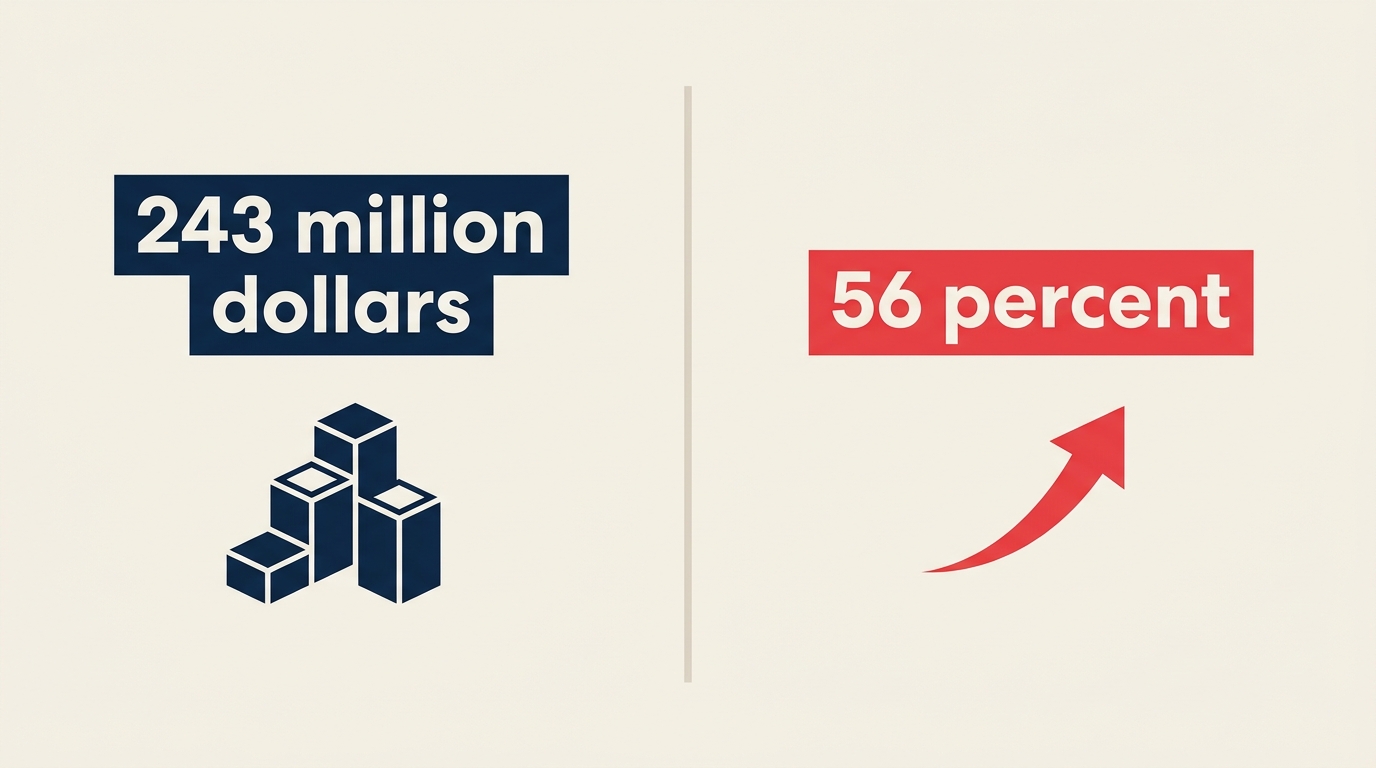
Schauen wir uns die Wirtschaftlichkeit direkt an. Wie in unserer früheren Analyse der AI-Lohnprämie dargelegt, kosten AI-kompetente Beschäftigte heute rund 56 % mehr als vergleichbare Nicht-AI-Einstellungen. Für eine Stelle, die Sie vor zwei Jahren für 80.000 Dollar besetzt hätten, schauen Sie jetzt auf 125.000 Dollar oder mehr, im Wettbewerb mit besser ausgestatteten Unternehmen in einem dünnen Talentpool.
Die Apprenticeship-Kalkulation läuft anders. Sie zahlen während der Trainingszeit ein untermarktliches Gehalt, während der Beschäftigte tatsächlich produktiv ist. Bundes- und staatliche Zuschüsse können Programmkosten einschließlich Löhner, Trainingsmaterialien und Koordinatorenzeit ausgleichen. Am Ende haben Sie einen Mitarbeiter, der auf Ihren spezifischen AI-Kontext zugeschnitten wurde, Ihre Tools kennt und institutionelle Loyalität mitbringt, die Sie durch eine Recruiter-Übergabe nicht bekommen.
Es gibt echte Abwägungen. Apprenticeships dauern 12 bis 24 Monate. Sie brauchen einen Trainingsplan und einen Kompetenzrahmen. Auf diesem Weg können Sie keine Stelle besetzen, die Sie morgen brauchen. Aber für Stellen, bei denen das Angebot strukturell dünn und die Lohnprämie dauerhaft ist, kann sich die Kalkulation schnell verschieben.
Die US-amerikanische nationale AI-Talentinitiative, die der Ankündigung des DOL vorausging, signalisiert, dass dies kein einmaliges Programm ist. Die föderale Personalinfrastruktur wird bewusst auf die Entwicklung von AI-Kompetenzen ausgerichtet. Arbeitgeber, die früh einsteigen, erhalten Erstmovervorteile beim Zugang zu Förderungen, Lehrplanpartnerschaften und Talentpipelines, bevor Wettbewerber dasselbe herausfinden.
Der Build-vs-Buy-Talentfilter
Die Frage, die die meisten CEOs stellen, lautet: "Sollen wir schulen oder einstellen?" Aber das ist zu breit, um nützlich zu sein. Die bessere Frage ist: Ergibt es für jede AI-exponierte Stelle in Ihrer Organisation mehr Sinn zu bauen oder zu kaufen?
Hier ist ein einfacher Filter. Bewerten Sie jede Stelle anhand von drei Kriterien:
1. Marktknappheit und Kosten. Wie schwer ist diese Stelle extern zu besetzen, und wie hoch ist die Lohnprämie? Stellen mit dünnem Angebot und hohen Prämien sind starke Build-Kandidaten.
2. Lernbarkeit durch strukturierte Apprenticeships. Können die Kernkompetenzen in 12 bis 24 Monaten durch strukturierte Arbeit und Unterricht entwickelt werden? Angewandte AI-Rollen (Datenkennzeichnung, KI-gestützte Analyse, AI-Tool-Administration, Prompt Engineering für domänenspezifische Workflows) schneiden hier oft gut ab. Spitzenforschungsrollen im AI-Bereich in der Regel nicht.
3. Förderberechtigung. Fällt die Stelle in einen Sektor, den das DOL aktiv fördert? Rechenzentrumsbetrieb, Telekommunikationsinfrastruktur, KI-gestützte Fertigung und verwandte technische Rollen haben derzeit explizite Bundesunterstützung.
Stellen, die in allen drei Kriterien hoch abschneiden, sind Ihre Build-Kandidaten. Alles andere stellen Sie weiterhin auf dem offenen Markt ein.
Dieser Filter hilft Ihnen auch bei der Priorisierung. Sie müssen Ihre gesamte Belegschaft nicht apprenticeship-tauglich machen. Wählen Sie eine oder zwei Stellen, bei denen die Wirtschaftlichkeit am deutlichsten ist, führen Sie einen Piloten durch und bauen Sie operative Kenntnisse auf, bevor Sie skalieren.
Die in LinkedIn-Daten aus 2026 belegte Lücke bei der Weiterqualifizierungsunterstützung zeigt, dass selbst Unternehmen mit Trainingsbudgets oft die Struktur vermissen, um Weiterqualifizierung nachhaltig zu verankern. Registered Apprenticeships lösen dieses strukturelle Problem mit einem Rahmen, der Meilensteine, Zertifizierungen und externe Aufsicht umfasst.
Gleichzeitig deutet SHRM-Daten zur HR-Wahrnehmungslücke darauf hin, dass die Hürde nicht immer das Budget ist. Oft hat niemand in der Organisation die verfügbaren Instrumente kartiert. Das DOL-Portal schließt diese Lücke speziell für AI.
Wie Sie in den nächsten 90 Tagen starten
Sie müssen nicht alles durchdacht haben. Hier ist eine praktische Abfolge:
Woche 1 bis 2: Führen Sie den Talentfilter durch. Identifizieren Sie eine oder zwei KI-affine Stellen in Ihrer Organisation, die bei Knappheit, Lernbarkeit und potenzieller Förderberechtigung hoch abschneiden. Konzentrieren Sie sich auf Stellen, bei denen Sie bereits den Lohndruck oder den Schmerz durch offene Stellen spüren.
Woche 3 bis 4: Besuchen Sie das Portal. Gehen Sie auf apprenticeship.gov und lesen Sie die AI-in-Registered-Apprenticeship-Materialien durch. Die AI Skills and Literacy-Ressourcen und branchenspezifischen Module geben Ihnen einen Lehrplan-Ausgangspunkt. Klären Sie, ob Sie einem bestehenden Programm beitreten oder ein neues gestalten würden.
Woche 5 bis 8: Binden Sie einen lokalen Intermediär ein. Kontaktieren Sie Ihr regionales SCORE-Chapter, Ihr Small Business Development Center (SBDC) oder die Apprenticeship-Behörde Ihres Bundesstaates. Diese Intermediäre können Ihnen bei der Registrierung helfen, verfügbare Förderung identifizieren und Sie mit Community-College-Partnern verbinden, die den Trainingsanteil liefern können. Sie müssen den Lehrplan nicht alleine entwickeln.
Woche 9 bis 12: Starten Sie einen Piloten. Wählen Sie eine Stelle, eine Kohortengröße (selbst zwei oder drei Apprentices reichen zum Lernen) und einen Startzeitplan. Registrieren Sie Ihr Programm oder treten Sie einem bestehenden bei. Die leistungsbasierte Förderung des DOL bedeutet, dass das System darauf ausgelegt ist, Arbeitgeber zu belohnen, die Programme tatsächlich durchführen, nicht nur planen.
Wenn Sie parallel dazu eine breitere AI-Strategie entwickeln, bietet die 18-Monats-CEO-AI-Agenda einen nützlichen parallelen Rahmen für die Ebene des Organisationswandels, der die Personalentwicklung ergänzt.
Das Zeitfenster ist entscheidend. Apprenticeship-Förderzyklen, Community-College-Partnerschaften und staatliche Anreize operieren alle auf Zeitplänen. Führungskräfte, die 2026 handeln, werden 2027 und 2028 aus einer Talentpipeline schöpfen, die Führungskräfte, die warten, noch immer planen.
Häufig gestellte Fragen
Gilt das nur für Fertigungs- oder Handwerksbranchen?
Nein. Die AI-Apprenticeship-Initiative des DOL ist explizit für Wissensarbeitsrollen konzipiert, einschließlich Stellen, die AI-Systeme aufbauen, verwalten und anwenden. Das Portal enthält Ressourcen für Sektoren wie Rechenzentrumsbetrieb, Telekommunikation und KI-gestützte Geschäftsfunktionen. Jeder Arbeitgeber, der einen klaren Kompetenzrahmen und strukturierte Arbeitserfahrung definieren kann, kann teilnehmen.
Was kostet es tatsächlich, ein Registered Apprenticeship zu betreiben?
Die Kosten variieren je nach Sektor, Bundesstaat und ob Sie einem bestehenden Programm beitreten oder ein neues erstellen. Direkte Kosten umfassen typischerweise Apprentice-Löhne (oft unterhalb des Marktniveaus während der Trainingszeit), Lehrplanentwicklung und Koordinatorenzeit. Bundes- und staatliche Förderungen können erhebliche Anteile ausgleichen, und die rund 243 Millionen Dollar schwere Initiative des DOL umfasst leistungsbasierte Förderung, die Arbeitgeber für den Programmabschluss belohnt. Die Zusammenarbeit mit einem staatlichen Intermediär ist der schnellste Weg zu einer genauen Kostenschätzung für Ihre Situation.
Was, wenn ich mich derzeit nicht zu einem 12- bis 24-monatigen Programm verpflichten kann?
Der freiwillige AI Literacy Framework, den das DOL im Februar 2026 veröffentlicht hat, ist eine eigenständige Ressource. Sie können ihn verwenden, um die KI-Bereitschaft Ihrer aktuellen Belegschaft zu bewerten und interne Trainingsschienen zu gestalten, auch ohne sich in einem formalen Registered Apprenticeship einzuschreiben. Der Rahmen ist auf Apprenticeship-Programme abgestimmt, aber nicht auf diese beschränkt.
Weitere Informationen