Value Selling: Wie Sie auf Basis von Geschäftswert verkaufen
Turn this article into takeaways for your work.


Each assistant summarizes the article only for you and suggests best practices for your work.
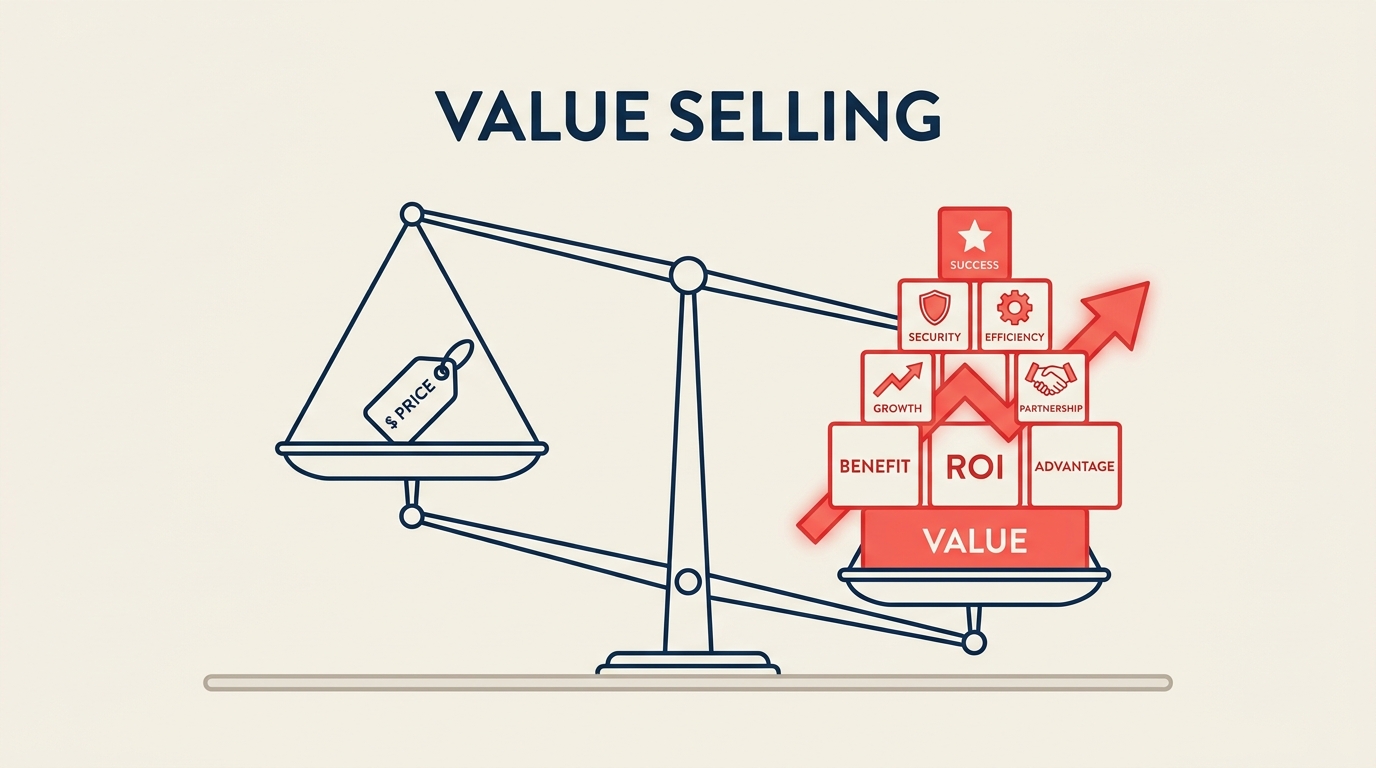
Value Selling ist die Vertriebsmethodik, die das gesamte Kaufgespräch um eine einzige Frage herum neu ausrichtet: Was kostet das Problem des Käufers, und wie viel ist es wert, es zu lösen? Jeder Deal, der am Preis hängen bleibt, ist genau dort steckengeblieben, weil jemand das Gespräch zum Produkt gemacht hat statt zum Ergebnis.
Wenn Ihr Kontakt bei drei Anbietern vergleicht und nach Rabatten fragt, haben Sie den Wert-Rahmen bereits verloren. Die Vertriebsmitarbeiter, die komplexe B2B-Deals zum vollen Preis gewinnen, haben nicht das beste Produkt. Sie haben dem Käufer seinen ROI unmissverständlich klar gemacht.
Was ist Value Selling?
Value Selling (auch value-based selling genannt) ist eine Vertriebsmethodik, bei der der Mitarbeiter den gesamten Kaufprozess darauf ausrichtet, das Geschäftsergebnis des Käufers zu quantifizieren, das er erzielen wird, und nachzuweisen, dass das erforderliche Investment eine lohnenswerte Rendite bringt. Statt Features, Funktionen oder Wettbewerbsvergleiche zu präsentieren, beginnt ein Value Seller mit der aktuellen Performance des Käufers, diagnostiziert die Kosten des Problems und erstellt einen Finanzfall, der Nichtstun teurer erscheinen lässt als den Kauf.
Der Unterschied zum traditionellen Verkauf ist nicht subtil. Beim Feature-basierten Verkauf erklärt der Mitarbeiter, was das Produkt tut. Beim Value Selling hilft der Mitarbeiter dem Käufer zu verstehen, was das Problem ihn heute kostet, was es kostet, es ungelöst zu lassen, und wie der messbare Nutzen einer Lösung in den eigenen Begriffen des Käufers aussieht: Umsatz, Marge, Kopfzahl, Durchlaufzeit, Churn oder welche Kennzahl auch immer der CFO verfolgt.
Key Facts
- B2B-Käufer treffen 57 bis 70 % ihrer Kaufentscheidung, bevor sie einen Vertriebsmitarbeiter einschalten. Das bedeutet: Wer den Business Case frühzeitig prägt, gewinnt den Deal (Gartner, 2023).
- Käufer, die einen Kauf als "hochwertig" beschrieben, schlossen ihren Vertrag innerhalb von 18 Monaten dreimal häufiger aus als Käufer, die primär über den Preis verhandelt hatten (Bain, 2022).
- Nur 13 % der B2B-Käufer glauben, dass Vertriebsmitarbeiter ihre Geschäftsanforderungen verstehen. Der Unterschied zwischen einem Value Seller und einem Produkt-Verkäufer ist für jeden Manager am Tisch sichtbar (Forrester, 2023).
"Wer das Problem definiert, besitzt den Deal. Wer nur Fragen über das Produkt beantwortet, ist austauschbar."
Value Selling vs. Solution Selling vs. Price Selling
Diese drei Ansätze werden häufig verwechselt, weil sie in frühen Gesprächsphasen ähnlich aussehen können. Der Unterschied zeigt sich darin, worauf der Mitarbeiter den Schwerpunkt des Gesprächs legt.
| Dimension | Price Selling | Solution Selling | Value Selling |
|---|---|---|---|
| Hauptfokus | Produktkosten und Wettbewerbsrabatt | Schmerzpunkt des Käufers und wie das Produkt ihn lindert | Geschäftsergebnis des Käufers und quantifizierter ROI |
| Schlüsselfrage | "Können wir den Preis des Wettbewerbers unterbieten?" | "Welches Problem versuchen Sie zu lösen?" | "Was kostet Sie dieses Problem, und was ist die Lösung wert?" |
| Entscheidungsrahmen | Preis gegen Preis | Schmerz gegen kein Schmerz | Kosten des Nichtstuns gegen Kosten des Investments |
| Typischer Käufer | Einkaufsgeführte, wenig komplexe Käufe | Mid-Market Ops- oder IT-Käufer | C-Suite, Finanzen oder P&L-Verantwortliche |
| Risiko | Wettlauf nach unten bei der Marge | Gewinnt auf Basis von Fit, kann noch am Budget scheitern | Erfordert starke Discovery und Finanzkenntnis |
| Am besten für | Transaktional, hohes Volumen, kurzer Zyklus | Mittelkomplexes B2B, Ops-Probleme | Komplexes Enterprise, mehrere Stakeholder, hohe Deal-Werte |
Solution selling konzentriert sich darauf, den Schmerzpunkt zu diagnostizieren, bevor eine Lösung vorgeschlagen wird. Value Selling geht eine Ebene weiter: Nachdem Sie das Problem verstanden haben, versehen Sie es mit einem Preisschild. Beide Methoden ergänzen sich, und viele Mitarbeiter nutzen beide im selben Deal.
Warum Value Selling funktioniert (Vorteile)
Value Selling übertrifft preisbasierte Ansätze im komplexen B2B aus strukturellen Gründen.
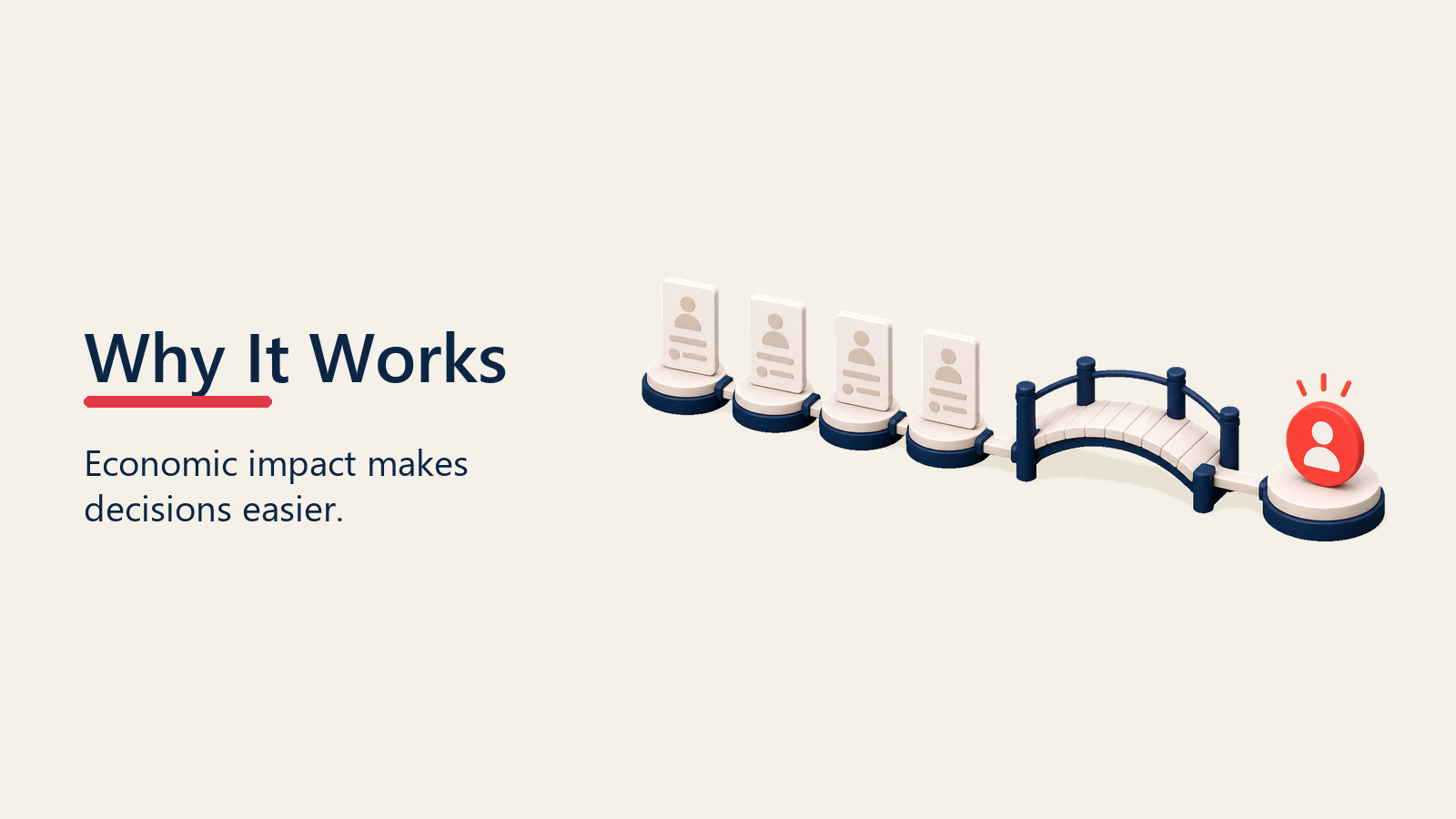
Es verankert das Gespräch, bevor der Preis ins Spiel kommt. Wenn ein Käufer bereits zugestimmt hat, dass sein Problem 400.000 Euro jährlich an verlorener Produktivität kostet, wirkt Ihre Softwarelizenz von 80.000 Euro nicht teuer. Sie wirkt wie eine 5-fache Rendite. Wer den Wert-Rahmen früh setzt, verhindert, dass der Preis das Gespräch dominiert.
Es erreicht die wirtschaftlichen Entscheider. CFOs, Finance-VPs und CEOs begeistern sich nicht für Features. Sie reagieren auf Finanzkennzahlen. Value Seller sprechen die Sprache von Operating Leverage, Amortisationsdauer und risikoadjustierter Rendite. Das ist es, was Executive-Sponsorship sichert.
Es beschleunigt die Entscheidungsfindung. Wenn die Kosten des Nichtstuns sichtbar und quantifiziert sind, werden Verzögerungen teuer. Der Käufer spürt Dringlichkeit aus seiner eigenen Mathematik heraus, nicht weil der Verkäufer auf einen Abschluss drängt.
Es reduziert Rabattierung. Rabatte entstehen meist bei Käufern, die den Wert noch nicht sehen. Wenn der ROI-Fall solide ist, verteidigen Käufer das Investment intern, anstatt nach Kürzungen zu suchen. Das schützt die Marge.
Es baut langfristige Beziehungen auf. Auf Wertbasis abgeschlossene Deals wachsen tendenziell. Der Käufer hat den ROI verfolgt, um den Erstkauf zu rechtfertigen. Wenn das Produkt liefert, hat er die Belege, um mehr zu kaufen.
Häufige Fehler und Einschränkungen
Value Selling ist wirkungsvoll, aber kein Selbstläufer. Mitarbeiter und Teams machen vorhersehbare Fehler.
Die Discovery überspringen. Es ist verlockend, einen ROI-Rechner herauszuholen, bevor man die Situation des Käufers wirklich verstanden hat. Generische Wertaussagen ("Unsere Kunden sehen 40 % Effizienzgewinne") verfehlen ihr Ziel, wenn sie nicht mit den konkreten Zahlen des Käufers verknüpft sind. Erst Discovery, dann Quantifizierung.
Eigene Zahlen statt der Zahlen des Käufers verwenden. Ein Wertefall, der auf internen Annahmen basiert, wirkt wie ein Anbieter-Pitch. Die überzeugendsten ROI-Fälle verwenden die eigenen Daten des Käufers: seine aktuellen Kosten, seine aktuellen Durchlaufzeiten, seine angegebenen Ziele. Lassen Sie den Käufer die Eingaben liefern, dann gehört ihm das Ergebnis.
Zu viel versprechen. Käufer sind skeptisch. Wenn Ihr ROI-Fall eine 10-fache Rendite in 90 Tagen projiziert, bricht die Glaubwürdigkeit weg. Konservative, realistische Zahlen mit namentlich genannten Referenzkunden überzeugen weit mehr als optimistische Projektionen.
Den falschen Stakeholder ansprechen. Value Selling ist verschwendet an jemanden, der die Finanzentscheidung weder treffen noch beeinflussen kann. Sie brauchen einen wirtschaftlichen Entscheider im Gespräch oder einen Champion, der den ROI-Fall zu ihm trägt.
Wert in der Verhandlung nicht verteidigen. Viele Mitarbeiter bauen in der Discovery und Demo-Phase einen starken Wertefall auf, geben ihn aber in der Verhandlung auf. Wenn Einkauf einen Rabatt fordert, ist die Antwort nicht Preissenkung, sondern den ROI-Fall neu darzulegen und zu zeigen, was eine Scope-Reduzierung oder ein Aufschub der Entscheidung kostet.
Wie man Value Selling umsetzt (Schritt für Schritt)
Value Selling folgt einer disziplinierten Abfolge. Jeder Schritt legt das Fundament für den nächsten.
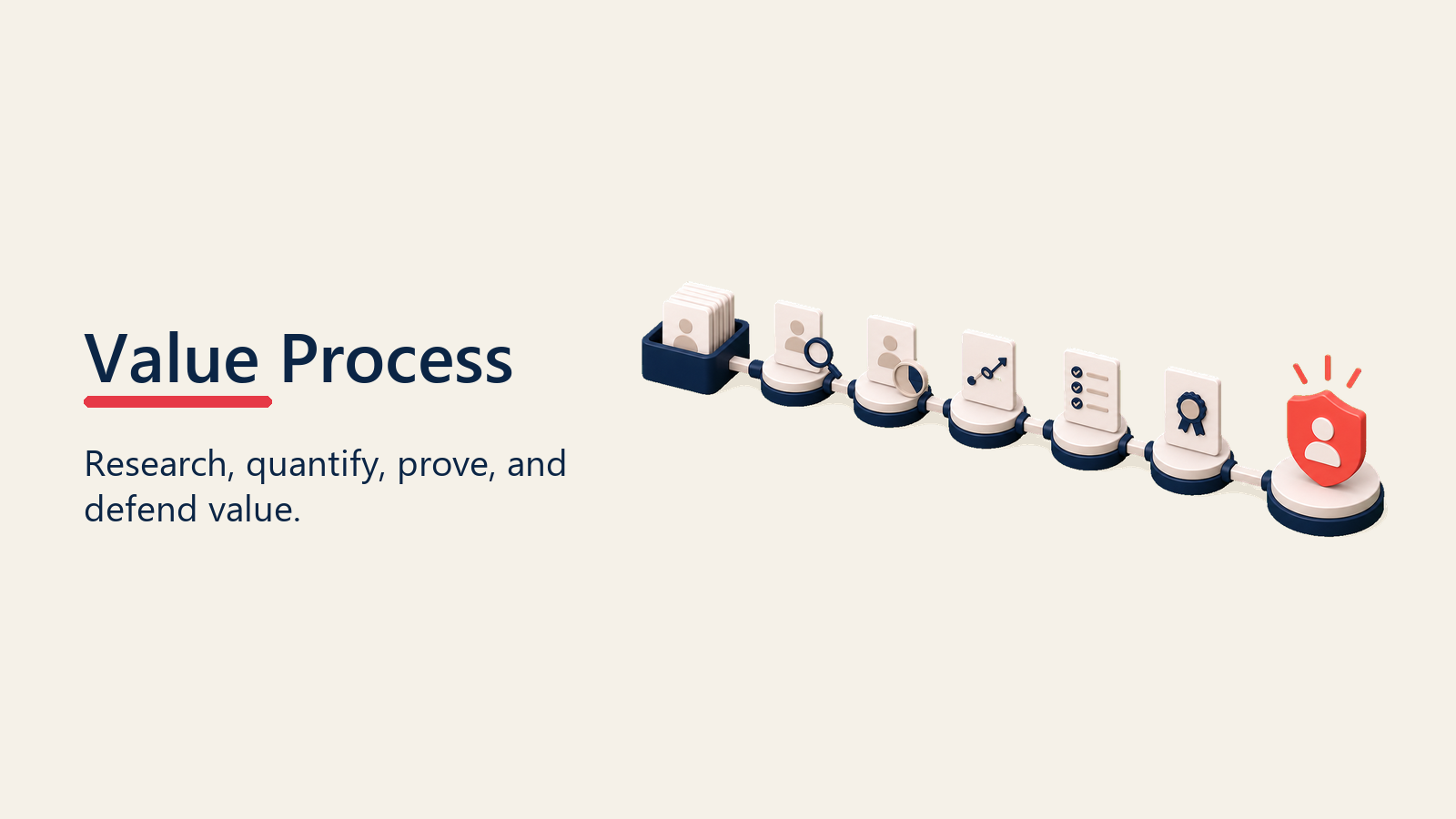
Schritt 1: Den Käufer vor dem ersten Meeting recherchieren
Verstehen Sie sein Geschäftsmodell, aktuelle Ergebnisse oder Neuigkeiten, öffentlich geäußerte Ziele und die Marktdrücke, denen er ausgesetzt ist. Prüfen Sie die Passung zu Ihrem Ideal Customer Profile und welche wahrscheinlichen Probleme er hat. Ziel ist es, mit informierten Hypothesen in die Discovery zu gehen, nicht mit einem weißen Blatt.
Kennen Sie die Benchmark-Kennzahlen seiner Branche: Wie sieht eine "gute" Churn-Rate aus? Was ist ein typischer Verkaufszyklus für Unternehmen seiner Größe? Welche Effizienz fahren seine Wettbewerber? Dieses Hintergrundwissen macht Discovery-Fragen präzise statt generisch.
Schritt 2: Das Geschäftsproblem diagnostizieren
Nutzen Sie die Discovery, um die Lücke zwischen dem Ist-Zustand des Käufers und seinem Soll-Zustand zu finden. Gehen Sie tiefer als das offensichtliche Problem. Ein Käufer, der sagt "unser Verkaufszyklus ist zu lang", sitzt vielleicht auf einem tieferliegenden Problem mit Pipeline-Qualifizierung, Übergabeverzögerungen oder fehlendem Executive-Zugang.
Fragen Sie nach Konsequenzen. Wen trifft dieses Problem? Was kostet es das Team? Was wurde bereits versucht? Was passiert mit dem Unternehmen, wenn es noch ein Jahr ungelöst bleibt? Diese Fragen bringen den wirtschaftlichen Schmerz ans Licht, nicht nur die operative Unannehmlichkeit.
Beratender Verkauf passt hier gut. Das SPIN Selling-Framework (Situation, Problem, Implication, Need-Payoff) aus SPIN Selling ist besonders effektiv, um von oberflächlichen Symptomen zu geschäftlichen Auswirkungen zu eskalieren.
Schritt 3: Die Kosten des Nichtstuns quantifizieren
Hier trennt sich Value Selling von Solution Selling. Nachdem Sie das Problem verstanden haben, versehen Sie es mit einem Preisschild. Erarbeiten Sie gemeinsam mit dem Käufer, was die aktuelle Situation jährlich kostet: entgangener Umsatz, verschwendete Arbeitsstunden, verpasste Deals, übermäßiger Churn oder Compliance-Risiken.
Die Kosten des Nichtstuns sollten immer in den Kennzahlen des Käufers ausgedrückt werden. Wenn sein Finanzteam "Kosten pro Deal" verfolgt, verwenden Sie das. Wenn er "Umsatz pro Mitarbeiter" verfolgt, verwenden Sie das. Übersetzen Sie seine Realität nicht in Ihre Sprache.
Schritt 4: Den Wert- und ROI-Fall aufbauen
Übersetzen Sie die Kosten des Nichtstuns in eine Return-on-Investment-Projektion. Verwenden Sie die eigenen Ausgangszahlen des Käufers. Zeigen Sie den Vorher-Zustand, den Nachher-Zustand und die Verbesserung. Geben Sie dem ROI eine Zeitkomponente: Wann tritt die Amortisation ein? Wie sieht das erste Jahr im Vergleich zum dritten aus?
Halten Sie das Modell transparent. Wenn ein Käufer jede Annahme sehen kann, kann er sie auf den Prüfstand stellen und, was noch wichtiger ist, sie vor seinem CFO verteidigen. Ein undurchsichtiger ROI-Rechner ist für Finanzteams ein Warnsignal.
Schritt 5: In den Kennzahlen des Käufers präsentieren
Wenn Sie den Wertefall vorstellen, verwenden Sie die Sprache und die Kennzahlen, die die Führung des Käufers verfolgt. Wenn der CRO das Pipeline-Coverage-Verhältnis verantwortet, rahmen Sie Ihren Impact dort ein. Wenn der CFO die operative Marge verantwortet, zeigen Sie die Margin-Mathematik. Wenn der VP of Ops die Kopfzahl-Effizienz verantwortet, zeigen Sie die FTE-Berechnung.
Hier zahlt sich das Verständnis von Buyer Personas aus. Verschiedene Stakeholder haben unterschiedliche Scorecards. Ein überzeugender Wertefall für den CRO trifft den CFO möglicherweise nicht, bis Sie ihn übersetzen.
Schritt 6: Wert in der Verhandlung verteidigen
Wenn Preisdruck entsteht, widerstehen Sie dem Reflex zu rabattieren. Kehren Sie zum ROI-Fall zurück. Fragen Sie den Käufer, was ein reduzierter Scope oder ein verzögerter Rollout für die Rendite bedeutet. Wenn er sechs Monate wartet, was kostet ihn das? Wenn er den Scope reduziert, welche Ergebnisse entfallen?
Das Ziel ist, das volle Investment günstiger erscheinen zu lassen als die Alternative, nicht den Preis eines Wettbewerbers zu unterbieten. Auf Wertbasis verteidigte Deals schließen zu höheren Margen und expandieren zuverlässiger. Lesen Sie dazu win rate improvement und Opportunity-Qualifizierung.
Wie man ein Value Proposition und einen ROI-Fall aufbaut
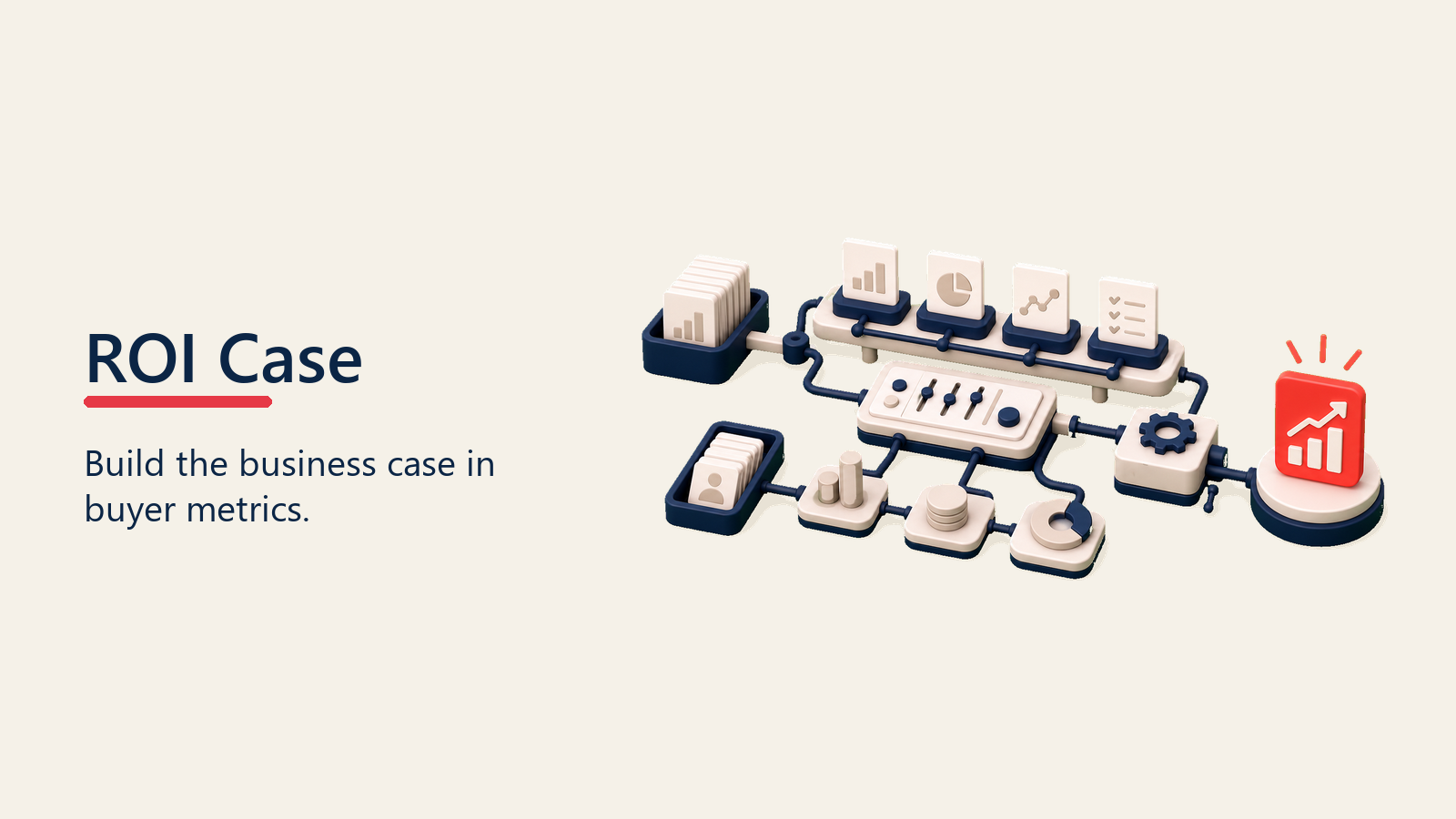
Ein gut strukturierter ROI-Fall hat drei Schichten: die Kosten des Ist-Zustands, die projizierte Verbesserung und die Nettorendite. Hier ein einfaches Beispiel für eine Sales-Pipeline-Management-Plattform.
| Position | Ist-Zustand | Mit Lösung | Verbesserung |
|---|---|---|---|
| Jährliche qualifizierte Opportunities | 400 | 400 | (gleiches Volumen) |
| Win rate | 22 % | 28 % | +6 Prozentpunkte |
| Abgeschlossene Deals pro Jahr | 88 | 112 | +24 Deals |
| Durchschnittlicher Deal-Wert | 35.000 Euro | 35.000 Euro | (gleich) |
| Zusätzlicher Jahresumsatz | -- | +840.000 Euro | |
| Mitarbeiterzeit für Admin/CRM-Updates | 6 Std./Woche/Mitarbeiter | 2 Std./Woche/Mitarbeiter | 4 Std. eingespart |
| Teamgröße | 10 Mitarbeiter | 10 Mitarbeiter | 40 Std./Woche eingespart |
| Jährliche Softwarekosten | 0 Euro | 96.000 Euro | |
| Netto-Rendite im ersten Jahr | 744.000 Euro | ||
| ROI | 775 % |
Dieses Modell verwendet die eigenen Eingaben des Käufers: seine aktuelle win rate, seine Deal-Größe, seine Mitarbeiterzahl. Jede Zeile ist ein Gespräch, keine Annahme. Wenn der Käufer die Zahlen liefert, gehört ihm das Ergebnis.
Die Value Proposition fasst das in einem Satz zusammen: "Durch die Verbesserung Ihrer win rate von 22 % auf 28 % liefert [Produkt] 840.000 Euro Mehrumsatz gegen ein Investment von 96.000 Euro, eine 775-prozentige Erstjahresrendite mit Amortisation in unter 6 Wochen."
Kurz, spezifisch und in den Kennzahlen des Käufers.
Value Selling Beispiele
Diese Beispiele zeigen, wie Value Selling in verschiedenen B2B-Kontexten funktioniert.
| Szenario | Framing der Kosten des Nichtstuns | Aufgebauter Wertefall |
|---|---|---|
| SaaS-Pipeline-Tool für einen VP of Sales | 60 Deals/Jahr durch Pipeline-Blindstellen verloren; 2,1 Mio. Euro Umsatzleck | 15 % win rate-Steigerung schließt die Lücke; Tool amortisiert sich in 8 Wochen |
| HR-Software für einen CHRO | 34 Tage durchschnittliche Time-to-Hire; jeder Tag kostet 420 Euro verlorene Produktivität pro offener Stelle; 80 Einstellungen/Jahr = 1,1 Mio. Euro/Jahr | Plattform reduziert Time-to-Hire auf 21 Tage; jährliche Einsparung von 543.000 Euro gegen 110.000 Euro Lizenz |
| Cybersecurity-Plattform für einen CTO | Ein Datenschutzvorfall kostet durchschnittlich 4,5 Mio. Euro (IBM, 2023); aktuelle Sicherheitslage hat drei kritische Lücken | Investment von 180.000 Euro reduziert Verletzungswahrscheinlichkeit um 60 %; risikoadjustierter Wert = 2,7 Mio. Euro |
| Revenue Intelligence Tool für einen CRO | Mitarbeiter verbringen 9 Std./Woche mit manuellen Reports; bei Vollkosten von 120 Euro/Std. sind das 561.000 Euro/Jahr verschwendet | Tool gewinnt 7 Std./Woche pro Mitarbeiter zurück; 437.000 Euro/Jahr eingespart; 5-facher ROI auf 87.000 Euro Kosten |
In jedem Fall begann der Verkäufer mit der Situation des Käufers, quantifizierte die Kosten und erstellte einen Renditefall, den das Finanzteam des Käufers auswerten konnte. Keine Feature-Listen. Keine Wettbewerbsvergleiche. Nur die Mathematik des Käufers.
Best Practices
Empfehlung: Den Käufer das Wertmodell mitgestalten lassen. Wenn er seine eigenen Zahlen eingibt, verteidigt er das Ergebnis. Ein Wertefall, den der Käufer mitentwickelt hat, ist weit belastbarer als einer, den der Verkäufer präsentiert.
Empfehlung: Referenzkunden mit konkreten Ergebnissen nennen. "Ein Unternehmen wie Ihres hat die Time-to-Close um 18 Tage reduziert" ist glaubwürdiger als "Unsere Kunden sehen 30 % Verbesserungen." Konkretheit signalisiert Ehrlichkeit.
Empfehlung: Die Kosten der Verzögerung quantifizieren, nicht nur den Nutzen. Wenn ein Käufer zögert, zeigen Sie ihm, was ein weiteres Quartal ohne die Lösung in seinen Kennzahlen kostet.
Empfehlung: An eine strategische Initiative anknüpfen. Die stärksten Wertfälle verknüpfen sich mit etwas, wofür das Executive-Team bereits gemessen wird: ein Wachstumsziel, ein Kostensenkungsprogramm oder eine Digitalisierungsinitiative. Ihr Produkt wird zum Vehikel für deren erklärte Priorität.
Nicht empfohlen: Weiche Kosten ignorieren. Moral, Managementzeit, Kundenerlebnis und Reputation sind echte Kosten, die oft nicht in einer Tabelle auftauchen. Benennen Sie sie. Sie bewegen Führungskräfte häufig mehr als die harten Zahlen.
Nicht empfohlen: Value einmal präsentieren und weitermachen. Verstärken Sie den ROI-Fall in jeder Phase: Angebot, rechtliche Prüfung, finale Genehmigung. Jeder neue Stakeholder muss ihn in seinen eigenen Begriffen hören.
Nicht empfohlen: Value Selling mit Value Pricing verwechseln. Value Selling ist eine Methodik dafür, wie Sie das Verkaufsgespräch führen. Preisstrategie ist eine separate Entscheidung. Beides beeinflusst sich gegenseitig, aber es ist nicht dasselbe.
Related Reading
- Solution Selling -- die Methodik, die sich auf die Diagnose des Schmerzpunkts vor dem Pitch konzentriert
- Consultative Selling -- ein käuferzentrierter Ansatz auf Basis tiefer Discovery
- SPIN Selling -- das Fragenframework, das geschäftliche Auswirkungen sichtbar macht
- The Challenger Sale -- wie Spitzenverkäufer Käufern helfen, ihre Probleme neu zu sehen
- MEDDIC Framework -- Qualifizierungsmethodik zur Identifizierung wirtschaftlicher Entscheider
- Opportunity Qualification -- wie man bestimmt, welche Deals es wert sind, verfolgt zu werden
- Win Rate Improvement -- Taktiken, um mehr der aufgebauten Pipeline abzuschließen

Head of Enterprise Solutions
On this page
- Was ist Value Selling?
- Value Selling vs. Solution Selling vs. Price Selling
- Warum Value Selling funktioniert (Vorteile)
- Häufige Fehler und Einschränkungen
- Wie man Value Selling umsetzt (Schritt für Schritt)
- Schritt 1: Den Käufer vor dem ersten Meeting recherchieren
- Schritt 2: Das Geschäftsproblem diagnostizieren
- Schritt 3: Die Kosten des Nichtstuns quantifizieren
- Schritt 4: Den Wert- und ROI-Fall aufbauen
- Schritt 5: In den Kennzahlen des Käufers präsentieren
- Schritt 6: Wert in der Verhandlung verteidigen
- Wie man ein Value Proposition und einen ROI-Fall aufbaut
- Value Selling Beispiele
- Best Practices
- Related Reading